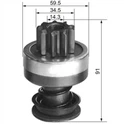
A car starter bendix, a crucial component in a vehicle's starting system, plays an indispensable role in initiating the engine's operation. As a dedicated car starter bendix supplier, I've witnessed firsthand the impact of various factors on the performance of these components, and one question frequently arises among car enthusiasts and mechanics alike: Can a dirty car starter bendix affect performance? In this blog post, we'll delve into the science behind this query, exploring how dirt and debris can influence the functionality of a starter bendix and the implications for your vehicle's overall performance.
Understanding the Car Starter Bendix
Before we discuss the effects of dirt on a car starter bendix, it's essential to understand its function. The starter bendix is part of the starter motor assembly. When you turn the ignition key, an electrical signal is sent to the starter solenoid, which then engages the bendix. The bendix moves forward, meshing its teeth with the flywheel's ring gear. Once engaged, the starter motor spins the flywheel, which in turn cranks the engine, initiating the combustion process.
How Dirt Accumulates on the Starter Bendix
The engine compartment of a vehicle is a harsh environment. It's exposed to a variety of contaminants, including dust, dirt, oil, and road grime. Over time, these particles can find their way onto the starter bendix. For example, if the vehicle is driven in dusty conditions, fine particles can settle on the bendix. Similarly, oil leaks from the engine can coat the bendix, attracting more dirt and debris.
Impact of a Dirty Starter Bendix on Performance
1. Engagement Issues
One of the primary ways a dirty starter bendix can affect performance is by causing engagement problems. The teeth of the bendix need to mesh smoothly with the flywheel's ring gear. When dirt accumulates on these teeth, it can create a barrier, preventing proper engagement. This may result in a grinding noise when you turn the ignition key, as the bendix struggles to connect with the flywheel. In some cases, the bendix may not engage at all, leaving you unable to start your vehicle.
2. Reduced Torque Transfer
Even if the dirty bendix manages to engage with the flywheel, the presence of dirt can reduce the efficiency of torque transfer. Torque is the force that rotates the flywheel and cranks the engine. Dirt between the bendix and the flywheel can cause slippage, meaning that not all of the torque generated by the starter motor is transferred to the engine. As a result, the engine may crank more slowly than normal, or it may require multiple attempts to start.
3. Increased Wear and Tear
A dirty starter bendix is also more prone to wear and tear. The abrasive nature of dirt can cause the teeth of the bendix and the flywheel to wear down more quickly. This can lead to premature failure of these components, resulting in costly repairs. Additionally, the extra stress placed on the starter motor due to poor engagement and torque transfer can also shorten its lifespan.
Preventive Measures and Maintenance
1. Regular Inspections
As a car starter bendix supplier, I recommend regular inspections of the starter bendix. This can help you detect dirt and debris early on, before they cause significant problems. During an inspection, look for signs of dirt, oil, or corrosion on the bendix. If you notice any buildup, it's important to clean the bendix as soon as possible.


2. Cleaning
Cleaning the starter bendix is a relatively straightforward process. However, it's important to use the right tools and cleaning agents. A soft brush and a suitable electrical contact cleaner can be used to remove dirt and debris from the bendix. Be sure to follow the manufacturer's instructions when using any cleaning products. After cleaning, make sure to dry the bendix thoroughly before reinstalling it.
3. Sealing and Protection
To prevent dirt from accumulating on the starter bendix in the first place, consider using a sealant or protective coating. There are various products available on the market that can help create a barrier against dust, dirt, and oil. These products can extend the lifespan of the bendix and improve its performance.
Choosing the Right Starter Bendix
When it comes to replacing a starter bendix, it's important to choose a high - quality product. At our company, we offer a wide range of starter bendixes, including the Bendix for Starter Motor, 9 Tooth Starter Drive, and SVC PWR AWN. Our products are designed to meet the highest industry standards, ensuring reliable performance and long - lasting durability.
Conclusion
In conclusion, a dirty car starter bendix can have a significant impact on your vehicle's performance. It can cause engagement issues, reduce torque transfer, and increase wear and tear on the starter system. However, by taking preventive measures such as regular inspections, cleaning, and using protective coatings, you can minimize the effects of dirt and ensure the smooth operation of your starter bendix.
If you're experiencing problems with your car starter bendix or are looking to purchase a new one, we're here to help. As a leading car starter bendix supplier, we have the expertise and products to meet your needs. Contact us today to discuss your requirements and start a procurement negotiation. We look forward to working with you to keep your vehicles running smoothly.
References
- Automotive Service: Inspection, Maintenance, Repair, 5th Edition, by Jack Erjavec
- Motor Vehicle Technology, 5th Edition, by Tom Denton