


Figuring out how to pick the right car starter for replacement can seem like a real head - scratcher. But as a supplier in the car starter replacement game, I'm here to shed some light on this process and make it a whole lot easier for you.
Understanding Your Vehicle's Requirements
First things first, you need to know your vehicle like the back of your hand. Different cars have different power needs, and the starter has to match those requirements. The make, model, and year of your vehicle play a massive role here. For example, a compact car isn't going to need the same high - powered starter as a heavy - duty truck.
You can usually find the necessary information about your car in the owner's manual. It might seem like a hassle to dig that thing out, but trust me, it's worth it. If you don't have the manual, websites like AutoZone or the manufacturer's official site can often provide the details you need. Look for the engine size and type - a diesel engine, for instance, will need a more powerful starter than a gasoline one.
Compatibility with the Electrical System
Let's talk about your vehicle's electrical system. A car starter is a power - hungry component, and it has to work in harmony with your battery and the rest of the electrical setup. You need to check the voltage requirements of the starter. Most cars run on a 12 - volt system, but some larger vehicles or specialty cars might have different setups.
If the starter you choose doesn't match the voltage of your electrical system, it won't work properly. It could either burn out quickly or not have enough power to start the engine. Also, consider the amperage draw. A starter that draws too many amps can put a strain on your battery and other electrical components, causing all sorts of problems down the line.
Quality and Reliability
When it comes to car starters, you get what you pay for. You might be tempted to go for the cheapest option out there, but that could end up costing you more in the long run. A low - quality starter is more likely to break down sooner, leaving you stranded on the side of the road.
Look for starters from well - known brands. These companies usually have a reputation to uphold and invest in quality control. You can also check online reviews from other car owners. They can give you a good idea of how reliable a particular starter is. And as a supplier, I can tell you that we only offer starters that meet high - quality standards.
Starter Types
There are different types of starters available, and each has its own pros and cons. The most common type is the direct - drive starter. This type is simple and efficient, and it's a popular choice for many vehicles. It directly engages the flywheel to start the engine.
Another type is the gear - reduction starter. These starters are more compact and lighter than direct - drive starters, and they can provide more torque. They're often used in vehicles with smaller engines or in applications where space is limited.
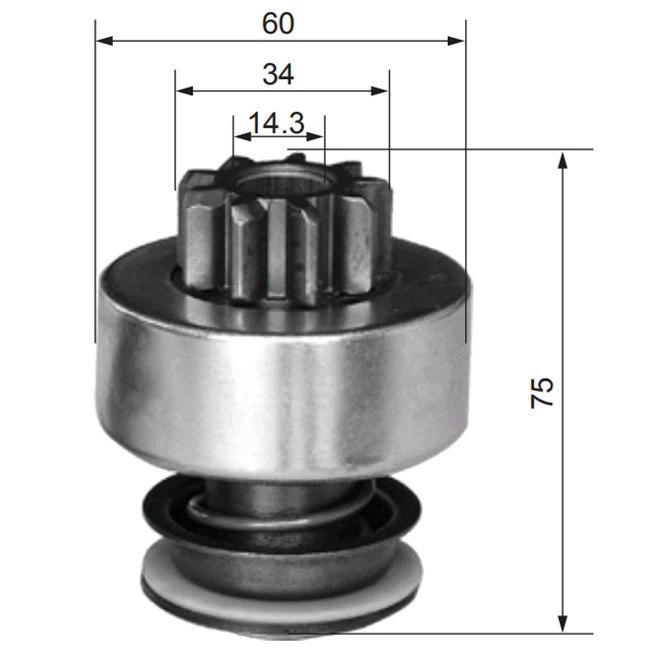
If you're into high - performance cars or heavy - duty vehicles, you might want to consider a Starter Motor Drive Bendix. This type of starter is designed to handle more power and can provide a quicker start.
Drive Components
The drive components of the starter are also important. The Drive ASM is a crucial part that helps transfer power from the starter motor to the flywheel. A good drive assembly should be durable and able to handle the stress of repeated starts.
The Countershaft for Starter Motor is another key component. It helps in the smooth operation of the starter and ensures that the power is transmitted efficiently. When choosing a starter, make sure to pay attention to the quality of these drive components.
Installation Considerations
Before you make a purchase, think about the installation process. Some starters are easier to install than others. If you're a DIY enthusiast, you might want to choose a starter that comes with clear instructions and is relatively straightforward to install. However, if you're not comfortable working on your car, it's best to have a professional mechanic do the job.
Keep in mind that improper installation can lead to problems with the starter. It might not engage properly, or it could wear out faster. So, if you're not sure, it's always better to err on the side of caution and get professional help.
Cost - Benefit Analysis
Of course, cost is a factor when choosing a car starter. But as I mentioned earlier, it's not just about getting the cheapest option. You need to consider the overall cost - benefit. A slightly more expensive starter that lasts longer and is more reliable might be a better investment in the long run.
Compare prices from different suppliers, but also look at the warranty. A longer warranty can give you peace of mind, knowing that you're covered if something goes wrong. And as a supplier, we offer competitive prices on our car starters, along with a solid warranty.
Making the Decision
After considering all these factors, you should have a good idea of what kind of car starter you need. Take your time to research different options, read reviews, and compare prices. Don't rush into a decision, as your choice can have a big impact on the performance and reliability of your vehicle.
If you're still not sure, you can always reach out to me. As a car starter replacement supplier, I've helped countless customers choose the right starter for their vehicles. Whether you have questions about compatibility, installation, or anything else, I'm here to assist you.

If you're ready to make a purchase or want to discuss your requirements further, don't hesitate to get in touch. We're committed to providing you with the best car starters and excellent customer service. Let's work together to get your vehicle back on the road smoothly.
References
- "Automotive Electrical Systems" by John F. Kershaw
- Online automotive forums and communities
- Vehicle owner's manuals


