How does a Starter Motor Bendix interact with the flywheel?
As a reputable supplier of Starter Motor Bendix components, I've witnessed firsthand the intricate dance that occurs between a Starter Motor Bendix and the flywheel in an automotive engine. This interaction is fundamental to the starting process of virtually every internal combustion engine vehicle on the road today. In this blog, I'll delve into the details of how these two components work together, why it's so crucial, and the implications for vehicle performance.
The Basics of a Starter Motor Bendix
Before we explore the interaction with the flywheel, it's essential to understand what a Starter Motor Bendix is. The Bendix drive is a critical part of the starter motor assembly. It serves as a mechanical linkage between the starter motor and the engine's flywheel. When you turn the ignition key, the starter motor is energized, and the Bendix drive comes into action.
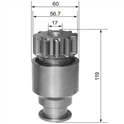
The Bendix comprises several key parts: a small pinion gear, an overrunning clutch, and a mechanism to engage and disengage the pinion with the flywheel. The pinion gear is designed to mesh with the larger ring gear on the flywheel. The overrunning clutch, on the other hand, allows the pinion to transfer torque from the starter motor to the flywheel in one direction but spins freely in the opposite direction. This prevents the engine from driving the starter motor once the engine has started, which could cause significant damage [1].
The Engagement Process
When the driver turns the ignition key to the "start" position, an electrical current is sent to the starter solenoid. The solenoid is an electromagnetic switch that performs two main functions. First, it closes a high - current circuit that supplies power to the starter motor. Second, it uses the electromagnetic force generated to push the Bendix drive forward.
As the Bendix drive is pushed forward, the pinion gear moves toward the flywheel's ring gear. The teeth on the pinion gear are precisely shaped to mesh smoothly with the teeth on the ring gear. Once the pinion is fully engaged with the flywheel, the starter motor begins to rotate. This rotation is transferred to the flywheel, which in turn starts to spin the engine's crankshaft.
The smooth engagement of the pinion with the flywheel is crucial. If the engagement is rough or incomplete, it can cause a grinding noise, wear on the gears, and potentially prevent the engine from starting. Our company, as a Starter Motor Bendix supplier, ensures that the pinion gears are manufactured with high precision to achieve a seamless engagement every time. You can find more information about our accurate starter drives at Accurate Starter Drives.
Torque Transfer
Once the pinion is engaged with the flywheel, the starter motor's job is to transfer enough torque to overcome the resistance of the engine's internal components and start the engine. The amount of torque required depends on various factors, such as the size of the engine, the temperature, and the compression ratio.
The Starter Motor Bendix plays a vital role in this torque transfer process. The overrunning clutch allows the pinion to lock onto the starter motor shaft, enabling the torque to be transferred efficiently to the flywheel. As the starter motor spins, the pinion rotates the flywheel, which then rotates the crankshaft. The crankshaft, in turn, moves the pistons up and down in the engine cylinders, initiating the combustion process.
It's important to note that the overrunning clutch is designed to slip once the engine starts. This is because the engine's speed quickly exceeds the speed of the starter motor. If the clutch didn't slip, the starter motor could be damaged by the high - speed rotation of the engine. For more details on the clutch function in a Starter Bendix Drive, visit Starter Bendix Drive Clutch.
Disengagement
Once the engine has started, the Bendix drive needs to disengage from the flywheel to prevent damage to the starter motor. This disengagement process is also controlled by the starter solenoid. When the engine starts, the electrical current to the solenoid is cut off, either automatically or when the driver releases the ignition key.
As the current is cut off, the electromagnetic field in the solenoid collapses. This causes a spring inside the solenoid to pull the Bendix drive back, disengaging the pinion gear from the flywheel's ring gear. The pinion then returns to its original position, and the starter motor stops rotating.
A smooth disengagement is just as important as a smooth engagement. If the Bendix drive fails to disengage properly, the starter motor can continue to run at high speeds, leading to overheating and potential damage. Our Starter Motor Bendix components are engineered to ensure reliable disengagement, contributing to the long - term durability of the starter system.
Importance in Vehicle Performance
The proper interaction between the Starter Motor Bendix and the flywheel is directly related to the overall performance of the vehicle. A reliable starting system is essential for a smooth and hassle - free driving experience. If the Starter Motor Bendix fails to engage or disengage correctly, it can lead to engine start problems.
For example, a worn - out Bendix drive may not engage the flywheel properly, resulting in a clicking sound when you turn the ignition key instead of the engine starting. On the other hand, if the overrunning clutch fails to slip after the engine starts, the starter motor can be damaged, and you may hear a high - pitched screeching noise.
Regular maintenance and inspection of the Starter Motor Bendix are crucial to prevent such issues. At our company, we offer high - quality Bendix drives that are designed to meet or exceed OEM standards. We understand the importance of this component in the starting system, and our products are built to last. If you're facing problems with your car starter and need a replacement, check out Car Starter Replacement.
Technological Advancements
In recent years, there have been several technological advancements in Starter Motor Bendix components. Manufacturers are using new materials and manufacturing processes to improve the durability and performance of the Bendix drive. For example, some modern Bendix drives use advanced alloys for the pinion gear, which offer better wear resistance and lower friction.
Additionally, there are now more sophisticated starter motor control systems. These systems can adjust the engagement and disengagement of the Bendix drive based on various factors, such as engine temperature and battery voltage. This not only improves the starting reliability but also reduces wear on the components. If you're interested in learning more about the latest starter motor drive technology, visit Starter Motor Drive.
Conclusion
The interaction between a Starter Motor Bendix and the flywheel is a complex yet crucial process in the automotive starting system. From the initial engagement of the pinion gear to the transfer of torque and the final disengagement, every step must be executed precisely for the engine to start smoothly.
As a Starter Motor Bendix supplier, we are committed to providing high - quality components that ensure reliable starting performance. Our products are designed to meet the demanding requirements of modern vehicles, and we stay at the forefront of technological advancements in the industry.
If you're in the market for Starter Motor Bendix components or have any questions about our products, we encourage you to reach out to us for a procurement discussion. We look forward to working with you to meet your automotive starting system needs.