In the realm of automotive and industrial machinery, the Drive and Shaft ASM (Assembly) plays a pivotal role. Keys are essential components within this assembly, facilitating the transfer of torque between the drive and the shaft. As a leading Drive and Shaft ASM supplier, I understand the importance of proper key installation and removal procedures. In this blog, I will guide you through the step - by - step processes of installing and removing keys in Drive and Shaft ASM, ensuring that you can carry out these tasks safely and effectively.
Understanding the Basics of Keys in Drive and Shaft ASM
Before delving into the installation and removal processes, it's crucial to understand what keys are and their functions. Keys are small, usually rectangular pieces of metal that fit into keyways (grooves) on both the shaft and the hub of the drive component. They prevent relative rotation between the shaft and the hub, allowing for the efficient transfer of power.


There are different types of keys, such as flat keys, woodruff keys, and gib head keys, each with its own unique characteristics and applications. The choice of key depends on factors like the torque requirements, the type of machinery, and the design of the drive and shaft assembly.
Tools Required for Key Installation and Removal
To install and remove keys in Drive and Shaft ASM, you'll need a set of appropriate tools. Here's a list of the essential tools:
- Hammer: A medium - sized hammer is used for gently tapping the key into place during installation and for removing it during the removal process.
- Key Puller: This specialized tool is designed to safely and effectively remove keys from keyways. It helps prevent damage to the key and the keyway.
- Files: Flat files are used to clean and deburr the keyways before installing a new key. This ensures a proper fit and reduces the risk of key failure.
- Measuring Tools: Calipers or micrometers are used to measure the dimensions of the key and the keyway to ensure a precise fit.
Step - by - Step Guide to Key Installation
- Inspect the Key and Keyway: Before installation, carefully inspect the key and the keyways on both the shaft and the hub. Check for any signs of damage, such as cracks, burrs, or excessive wear. Use a file to remove any burrs or rough edges from the keyways.
- Measure the Key and Keyway: Use calipers or micrometers to measure the width and depth of the key and the keyway. Ensure that the key dimensions match the specifications of the keyway. A proper fit is crucial for the key to function effectively.
- Apply Lubricant: Apply a thin layer of lubricant, such as machine oil, to the key and the keyway. This helps the key slide into place more easily and reduces friction during operation.
- Insert the Key: Align the key with the keyway on the shaft. Gently tap the key into the keyway using a hammer. Start with light taps and gradually increase the force as the key begins to seat. Be careful not to hit the key too hard, as this can cause damage to the key or the keyway.
- Install the Hub: Once the key is fully seated in the keyway on the shaft, align the hub with the shaft and slide it onto the shaft. The key should fit into the keyway on the hub as well. Use a press or a hammer and a block of wood to gently push the hub onto the shaft until it is fully seated.
Step - by - Step Guide to Key Removal
- Prepare the Workspace: Ensure that the drive and shaft assembly is safely secured and that there is enough space to work. Remove any covers or guards that may be blocking access to the key.
- Use a Key Puller: If the key is not easily removable by hand, use a key puller. Insert the jaws of the key puller into the keyway on the hub and engage the key. Slowly tighten the key puller to apply pressure to the key. This should gradually pull the key out of the keyway.
- Tap the Key: If a key puller is not available, you can try tapping the key out using a hammer. Place a block of wood or a soft - faced hammer on the end of the key and gently tap it with a hammer. Be careful not to damage the key or the keyway.
- Inspect the Key and Keyway: Once the key is removed, inspect it for any signs of damage. Also, inspect the keyways on the shaft and the hub for any wear or damage. If necessary, clean and deburr the keyways before installing a new key.
Safety Precautions
When installing and removing keys in Drive and Shaft ASM, it's important to follow safety precautions to prevent accidents and injuries.
- Wear Protective Gear: Always wear safety glasses, gloves, and appropriate clothing to protect yourself from flying debris and sharp edges.
- Secure the Assembly: Ensure that the drive and shaft assembly is properly secured before starting the installation or removal process. This prevents the assembly from moving or falling, which could cause injury.
- Use the Right Tools: Use the appropriate tools for the job and follow the manufacturer's instructions. Using the wrong tools can cause damage to the key, the keyway, or the assembly itself.
Applications and Related Products
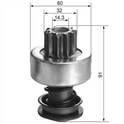
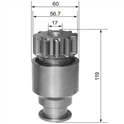
Keys in Drive and Shaft ASM are widely used in various applications, including automotive engines, industrial machinery, and power transmission systems. As a Drive and Shaft ASM supplier, we offer a wide range of products related to this field. For example, our Starter Motor Drive Bendix is a high - quality component that plays a crucial role in starting the engine. Our Starter Bendix Drive is another essential product that ensures smooth and reliable engine starting. And our Bendix Countershaft is designed to provide efficient power transmission in the starter system.
Contact for Purchase and Consultation
If you are in need of Drive and Shaft ASM products, including keys and related components, or if you have any questions about key installation and removal, we are here to help. Our team of experts has extensive knowledge and experience in this field and can provide you with professional advice and high - quality products. Whether you are an automotive manufacturer, an industrial machinery operator, or a repair shop, we can meet your specific needs. Reach out to us for more information and to start a purchase negotiation.
References
- "Mechanical Design Handbook" by Robert C. Juvinall and Kurt M. Marshek
- "Automotive Engineering Fundamentals" by William H. Crouse and Donald L. Anglin
- Manufacturer's manuals for Drive and Shaft ASM products