Hey there! As a supplier of overrunning - clutch drives, I've seen firsthand how crucial it is to optimize their performance. In this blog, I'll share some tips and tricks on how you can get the most out of these nifty components.
Understanding the Overrunning - Clutch Drive
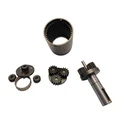
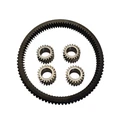
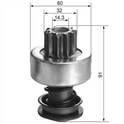
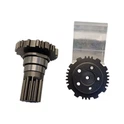
First things first, let's quickly go over what an overrunning - clutch drive is. It's a mechanical device that allows a shaft to rotate freely in one direction while locking and transmitting torque in the other. You'll often find these in applications like Car Starter Bendix, Starter Motor Bendix, and Starter Bendix Drive Clutch. They play a vital role in starting engines, ensuring that power is transferred efficiently from the starter motor to the engine's flywheel.
Selecting the Right Overrunning - Clutch Drive
The first step in optimizing performance is choosing the right overrunning - clutch drive for your application. You need to consider factors like torque requirements, speed, and the operating environment.
- Torque Requirements: Make sure the clutch can handle the torque needed to start your engine. If it's under - rated, it might slip or fail prematurely. On the other hand, an over - sized clutch can add unnecessary weight and cost.
- Speed: Different clutches are designed to operate at different speeds. You need to match the clutch's speed rating with the speed of your starter motor and engine.
- Operating Environment: If your application is in a harsh environment, like high temperatures or dusty conditions, you'll need a clutch that can withstand these challenges. Look for clutches with high - quality materials and proper sealing.
Proper Installation
Once you've selected the right clutch, proper installation is key. A poorly installed clutch can lead to all sorts of problems, from reduced performance to complete failure.


- Alignment: Ensure that the clutch is properly aligned with the starter motor and the engine's flywheel. Misalignment can cause uneven wear and tear, and it can also reduce the efficiency of power transfer.
- Tightening: Follow the manufacturer's instructions when tightening the bolts and fasteners. Over - tightening can damage the clutch, while under - tightening can cause it to loosen over time.
- Lubrication: Some overrunning - clutch drives require lubrication. Use the recommended lubricant and apply it according to the manufacturer's guidelines. This will help reduce friction and wear, and it can also extend the life of the clutch.
Regular Maintenance
Regular maintenance is essential for keeping your overrunning - clutch drive in top shape. Here are some maintenance tasks you should perform:
- Inspection: Periodically inspect the clutch for signs of wear, damage, or contamination. Look for things like worn teeth, cracked components, or excessive dirt and debris.
- Cleaning: If the clutch is dirty, clean it using a suitable solvent. Make sure to dry it thoroughly before reinstalling it.
- Adjustment: Some clutches may require adjustment over time. Check the manufacturer's instructions to see if your clutch needs to be adjusted, and if so, how to do it properly.
Monitoring Performance
It's also a good idea to monitor the performance of your overrunning - clutch drive. This can help you catch any potential problems early on and take corrective action before they become major issues.
- Noise and Vibration: Listen for any unusual noises or vibrations coming from the clutch. These can be signs of a problem, such as worn bearings or misalignment.
- Starting Performance: Pay attention to how easily the engine starts. If it's taking longer than usual or if there's a hesitation, it could be a sign that the clutch is not working properly.
- Temperature: Keep an eye on the temperature of the clutch. Overheating can be a sign of excessive friction or a problem with the lubrication.
Upgrading Your Overrunning - Clutch Drive
If you're looking to improve the performance of your overrunning - clutch drive even further, you might consider upgrading to a higher - quality or more advanced model. Newer clutches often come with improved materials, better designs, and enhanced features that can provide better performance and reliability.
- Material Improvements: Some clutches are made from high - strength materials that can withstand more torque and wear. These materials can also reduce the weight of the clutch, which can improve overall efficiency.
- Design Enhancements: Manufacturers are constantly improving the design of overrunning - clutch drives. Look for features like better locking mechanisms, more efficient power transfer, and improved durability.
Troubleshooting Common Problems
Even with proper selection, installation, maintenance, and monitoring, you may still encounter problems with your overrunning - clutch drive. Here are some common problems and how to troubleshoot them:
- Slipping: If the clutch is slipping, it may not be transmitting enough torque. Check the torque requirements and make sure the clutch is properly sized. Also, inspect the clutch for wear or damage, and consider replacing it if necessary.
- Sticking: A sticking clutch can prevent the engine from starting or cause it to stall. Check for any debris or contamination that may be causing the clutch to stick. You may also need to adjust the clutch or replace it if it's damaged.
- Noise: Unusual noises can be a sign of a problem. If you hear grinding, rattling, or other strange noises, inspect the clutch for worn bearings, loose components, or misalignment.
Conclusion
Optimizing the performance of an overrunning - clutch drive is a combination of selecting the right product, proper installation, regular maintenance, and monitoring. By following these tips, you can ensure that your clutch operates efficiently and reliably, and it can also extend the life of your starter motor and engine.
If you're in the market for an overrunning - clutch drive or if you have any questions about optimizing their performance, don't hesitate to reach out. We're here to help you find the best solution for your needs. Let's start a conversation and see how we can work together to get the most out of your overrunning - clutch drive.
References
- Automotive Engineering Handbook, various editions
- Manufacturer's manuals for overrunning - clutch drives
- Technical papers on mechanical power transmission systems