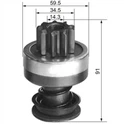
Troubleshooting a Starter Bendix Drive is a crucial skill for anyone involved in automotive maintenance or those who rely on machinery with starter systems. As a well - established Starter Bendix Drive supplier, I've witnessed firsthand the challenges that come with diagnosing and fixing issues related to these essential components. In this blog, I'll share comprehensive insights on how to troubleshoot a Starter Bendix Drive effectively.
Understanding the Starter Bendix Drive
Before delving into troubleshooting, it's essential to understand what a Starter Bendix Drive is. The Bendix drive is a key part of the starter motor system. It's responsible for engaging the flywheel of the engine when the ignition key is turned, allowing the engine to start. The Bendix System consists of a gear mechanism that moves forward to mesh with the flywheel teeth and then disengages once the engine starts.
Common Symptoms of a Faulty Starter Bendix Drive
- Clicking Sound: One of the most common signs of a problem is a single click when you turn the ignition key. This could indicate that the solenoid is engaging, but the Bendix drive is not properly meshing with the flywheel.
- Grinding Noise: A grinding noise during startup is a clear indication that the Bendix drive is not engaging correctly with the flywheel. This can be caused by worn teeth on either the Bendix gear or the flywheel.
- Engine Fails to Start: If the engine doesn't start at all, and there's no clicking or grinding, it could be due to a malfunctioning Bendix drive. The drive may not be moving forward to engage the flywheel.
- Drive Stays Engaged: In some cases, the Bendix drive may stay engaged with the flywheel even after the engine has started. This can cause damage to both the drive and the flywheel.
Troubleshooting Steps
Step 1: Visual Inspection
- Check for Physical Damage: Start by visually inspecting the Bendix drive. Look for any signs of wear, such as broken teeth on the gear. Also, check for any loose or damaged connections between the drive and the starter motor.
- Inspect the Solenoid: The solenoid is responsible for moving the Bendix drive forward. Check the solenoid for any signs of damage or corrosion. A faulty solenoid can prevent the Bendix drive from engaging properly.
Step 2: Electrical Checks
- Battery Voltage: Ensure that the battery has sufficient voltage. A weak battery can cause the starter motor and Bendix drive to malfunction. Use a voltmeter to check the battery voltage. It should be around 12.6 volts for a fully charged battery.
- Starter Motor Circuit: Check the electrical connections to the starter motor. Loose or corroded connections can disrupt the flow of electricity and prevent the Bendix drive from functioning correctly.
Step 3: Testing the Bendix Drive
- Bench Testing: If possible, remove the Bendix drive from the starter motor and perform a bench test. Connect the drive to a power source and observe its operation. The drive should move forward and engage the test gear smoothly.
- Function Testing in the Vehicle: Reinstall the Bendix drive and start the vehicle. Listen for any abnormal noises or check if the engine starts properly. If there are still issues, further diagnosis may be required.
Step 4: Replacing Worn Components
- Gear Replacement: If the teeth on the Bendix drive gear are worn or damaged, it's necessary to replace the gear. You can find high - quality replacement gears, such as the 11 Tooth Starter Bendix, from reliable suppliers.
- Solenoid Replacement: If the solenoid is faulty, it should be replaced. A new solenoid can ensure proper operation of the Bendix drive.
Special Considerations
- Compatibility: When replacing components, make sure they are compatible with your vehicle's make and model. Using the wrong parts can lead to further problems.
- Professional Help: If you're unsure about any step in the troubleshooting process, it's advisable to seek professional help. A qualified mechanic can provide accurate diagnosis and repair.
Importance of Regular Maintenance
Regular maintenance of the Starter Bendix Drive can prevent many problems. This includes lubricating the moving parts, checking the electrical connections, and inspecting for wear and tear. By maintaining the Bendix drive, you can extend its lifespan and ensure reliable engine starting.


Conclusion
Troubleshooting a Starter Bendix Drive requires a systematic approach. By understanding the common symptoms, performing visual and electrical checks, and testing the drive, you can diagnose and fix most issues. As a Starter Bendix Drive supplier, we offer a wide range of high - quality products, including the Starter Motor Drive Bendix, to meet your needs.
If you're facing problems with your Starter Bendix Drive or are interested in purchasing high - quality replacement parts, we're here to help. Contact us to discuss your requirements and start a fruitful procurement negotiation.
References
- Automotive Repair Manuals
- Manufacturer's Specifications for Starter Bendix Drives