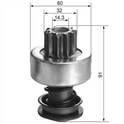
Yo, folks! I'm a supplier for Drive and Shaft ASM, and I'm stoked to share the ins and outs of the manufacturing processes for these essential components. Let's dive right in!
Material Selection
The first step in making a Drive and Shaft ASM is picking the right materials. We're talking about stuff that can handle the stress, wear, and tear these parts are gonna face. For the shafts, we usually go for high - strength alloy steels. These steels have great mechanical properties like high tensile strength and good toughness. They can withstand the torque and rotational forces without deforming or breaking easily.
For the drive components, different materials might be used depending on the application. For example, if it's for a heavy - duty industrial machine, we might use a hardened steel alloy to ensure long - lasting performance. But for automotive applications, we could use a combination of lightweight yet strong materials to improve fuel efficiency and overall performance.


Machining the Shaft
Once we've got the right steel for the shaft, it's time to start machining. The first thing we do is turn the raw material into the basic shape of the shaft using a lathe. A lathe is like a big, powerful spinning tool that rotates the shaft while a cutting tool carves away the excess material. We can create different diameters along the shaft, as well as smooth surfaces.
Next, we might use a milling machine. This machine uses a rotating cutter to remove material from the shaft in a more precise way. It's great for creating grooves, keyways, or other features that are necessary for the shaft to fit properly into the drive assembly.
After the rough machining, we move on to finishing operations. Grinding is a common finishing step. We use grinding wheels to make the shaft surface extremely smooth and precise. This helps reduce friction and wear when the shaft is in operation.
Manufacturing the Drive Components
The drive components can be a bit more complex to make. One common type of drive is the Bendix Starter Drive. To make the Bendix drive, we start with casting or forging, depending on the design and requirements.
Casting involves pouring molten metal into a mold. The mold is designed to have the exact shape of the drive component we want. Once the metal cools and solidifies, we have the basic shape. Forging, on the other hand, is a process where we use high pressure to shape the metal while it's in a heated state. Forging can make the metal stronger and more durable compared to casting.
After the initial shaping, we also do a lot of machining. This includes cutting, drilling, and threading to create the necessary holes and screw threads for assembly. Surface treatment is another important step. We might use processes like nitriding or carburizing to harden the surface of the drive component, improving its wear resistance.
Assembly of Drive and Shaft ASM
Once the shaft and drive components are ready, it's time to put them all together. Assembly is a delicate process that requires precision. We first clean all the parts to remove any dirt, debris, or machining residues. This ensures that the parts fit together smoothly and that there's no contamination that could affect the performance of the assembly.
We then use specialized tools to fit the drive components onto the shaft. This might involve using a press to press the components onto the shaft with the right amount of force. We also need to make sure that the alignment is correct. Misalignment can cause excessive wear, noise, and even failure of the assembly.
After the parts are assembled, we do some quality checks. We measure the dimensions to make sure they meet the specifications. We also test the functionality of the Drive and Shaft ASM. For example, we might test the torque transmission to ensure that it can transfer the power effectively.
Quality Control
Quality control is a big deal throughout the manufacturing process. We have multiple checkpoints at each stage. For raw materials, we test their chemical composition and mechanical properties to make sure they meet our standards. During machining, we use measuring tools like calipers, micrometers, and gauges to check the dimensions and tolerances of the parts.
After assembly, we do more comprehensive tests. We might run the Drive and Shaft ASM on a test bench to simulate real - world operating conditions. We monitor things like temperature, vibration, and noise. If any issues are detected, we take the assembly apart, identify the problem, and make the necessary corrections.
Heat Treatment
Heat treatment is an important process that can significantly improve the properties of the Drive and Shaft ASM. For the shafts, heat treatment can increase their hardness, strength, and toughness. We might use processes like quenching and tempering. Quenching involves heating the shaft to a high temperature and then quickly cooling it in a liquid medium like oil or water. This rapid cooling hardens the steel. Tempering is then done to reduce the brittleness that might be introduced during quenching.
For the drive components, heat treatment can also enhance their wear resistance and fatigue life. Different heat treatment processes are used depending on the material and the specific requirements of the component.
Surface Coating
Surface coating is another step that can improve the performance and longevity of the Drive and Shaft ASM. We might apply a coating to reduce friction, prevent corrosion, or improve the appearance. For example, a zinc coating can provide good corrosion protection, especially in automotive applications where the parts are exposed to moisture and road salts.
A low - friction coating can reduce the power loss during operation, making the assembly more efficient. There are different methods of applying coatings, such as electroplating, spraying, or dipping. The choice of coating and application method depends on the material of the parts and the desired properties.
Packaging and Shipping
Once the Drive and Shaft ASM passes all the quality checks, it's time to package it for shipping. We use high - quality packaging materials to protect the assembly during transit. This might include foam inserts, cardboard boxes, and plastic wraps.
We also label the packages clearly with important information like the product name, model number, and handling instructions. Shipping is arranged based on the customer's requirements. We work with reliable shipping partners to ensure that the products reach the customers in a timely and safe manner.
Why Choose Our Drive and Shaft ASM
As a supplier, we take pride in our manufacturing processes. We use the latest technologies and high - quality materials to ensure that our Drive and Shaft ASM products are top - notch. Our strict quality control measures mean that you can trust the performance and reliability of our products.
Whether you're looking for a Bendix Drive for your automotive starter, Automotive Replacement Starter Drives, DB Electrical Starter Drive, or a Countershaft for Starter Motor, we've got you covered.
If you're in the market for Drive and Shaft ASM, don't hesitate to get in touch. We're ready to discuss your specific needs and offer the best solutions for your business. Contact us to start a procurement discussion and take your projects to the next level!