As a supplier of 9 Tooth Starter Drives, I often get asked about the maximum load these components can handle. Understanding the load capacity of a 9 Tooth Starter Drive is crucial for ensuring its proper application and longevity. In this blog, I'll delve into the factors that determine the maximum load a 9 Tooth Starter Drive can handle and provide some insights for those considering purchasing these products.
Understanding the 9 Tooth Starter Drive
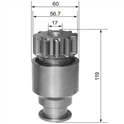
A 9 Tooth Starter Drive is a critical component in an engine's starting system. It is designed to engage with the flywheel's ring gear, transferring the torque from the starter motor to the engine to initiate the combustion process. The number of teeth on the starter drive, in this case, 9, is an important specification that affects its performance and compatibility with different engines.
Factors Affecting the Maximum Load
Several factors come into play when determining the maximum load a 9 Tooth Starter Drive can handle. These factors include the material of the starter drive, the design of the teeth, the quality of the manufacturing process, and the operating conditions.
Material
The material used to manufacture the 9 Tooth Starter Drive is a significant determinant of its load - handling capacity. High - strength steels are commonly used due to their excellent mechanical properties, such as high tensile strength and hardness. These materials can withstand the high forces generated during the starting process without deforming or breaking. For example, alloy steels with specific heat - treatment processes can enhance the wear resistance and toughness of the starter drive, allowing it to handle higher loads.
Tooth Design
The design of the teeth on the 9 Tooth Starter Drive is also crucial. The shape, size, and pitch of the teeth affect how the drive engages with the flywheel's ring gear. A well - designed tooth profile ensures smooth engagement and efficient torque transfer. Teeth with a proper angle and shape can distribute the load evenly across the contact surface, reducing the stress on individual teeth and increasing the overall load - handling capacity of the starter drive.
Manufacturing Quality
The quality of the manufacturing process has a direct impact on the performance of the 9 Tooth Starter Drive. Precision machining techniques ensure that the teeth are accurately formed and that the overall dimensions of the drive are within the required tolerances. High - quality manufacturing also includes proper heat treatment to enhance the material properties. A starter drive that is manufactured with high precision and quality is more likely to handle higher loads without failure.


Operating Conditions
The operating conditions in which the 9 Tooth Starter Drive is used can significantly affect its maximum load capacity. Factors such as temperature, humidity, and the frequency of starting can all impact the performance of the drive. For example, in high - temperature environments, the material properties of the starter drive may change, reducing its load - handling capacity. Similarly, frequent starting can cause wear and fatigue on the teeth, leading to a decrease in the maximum load it can handle over time.
Calculating the Maximum Load
Determining the exact maximum load a 9 Tooth Starter Drive can handle is a complex process that requires a combination of theoretical calculations and practical testing. Engineers typically use formulas based on the material properties, tooth geometry, and the mechanical principles of gear engagement to estimate the load capacity.
However, it's important to note that these calculations are only estimates, and real - world performance may vary. Manufacturers often conduct extensive testing on their 9 Tooth Starter Drives to determine their actual load - handling capabilities under different conditions. These tests involve subjecting the starter drives to various loads and measuring their performance, such as the amount of torque they can transmit and the wear on the teeth over time.
Applications and Compatibility
The maximum load a 9 Tooth Starter Drive can handle determines its suitability for different applications. For smaller engines, such as those in motorcycles or small generators, a 9 Tooth Starter Drive with a relatively lower load capacity may be sufficient. On the other hand, larger engines, like those in trucks or industrial equipment, require a 9 Tooth Starter Drive with a higher load - handling capacity.
When choosing a 9 Tooth Starter Drive, it's essential to consider the specific requirements of the engine. This includes the engine's displacement, compression ratio, and the type of fuel it uses. Additionally, compatibility with the starter motor and the flywheel's ring gear is crucial. Ensuring that the 9 Tooth Starter Drive is the right fit for the engine will help optimize its performance and prevent premature failure.
Our Offerings
As a supplier of 9 Tooth Starter Drives, we offer a wide range of products to meet the diverse needs of our customers. Our starter drives are manufactured using high - quality materials and advanced manufacturing techniques to ensure maximum load - handling capacity and reliability.
We also provide technical support to help our customers select the right 9 Tooth Starter Drive for their applications. Whether you are looking for a Direct Drive Starter, a Prestolite Starter Bendix, or a GM Starter Bendix, we have the expertise to assist you.
Contact Us for Purchase
If you are in the market for a 9 Tooth Starter Drive, we invite you to contact us for more information. Our team of experts is ready to answer your questions and help you find the best solution for your needs. Whether you are a small business owner, a mechanic, or an industrial operator, we can provide you with the high - quality 9 Tooth Starter Drives you require. Don't hesitate to reach out and start a discussion about your purchasing needs.
References
- Automotive Engineering Handbook, various editions
- Technical literature from starter drive manufacturers
- Research papers on gear design and load - handling capacity