The sound level of a 9 Tooth Starter Drive during operation is a crucial aspect that often goes unnoticed but holds significant importance, especially for those in the automotive and machinery industries. As a supplier of 9 Tooth Starter Drives, I understand the intricacies associated with this component and the role sound plays in its performance and user experience.
Understanding the 9 Tooth Starter Drive
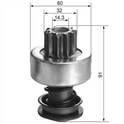
Before delving into the sound level, it's essential to understand what a 9 Tooth Starter Drive is. A starter drive is a critical part of the starting system in vehicles and various machinery. It engages the flywheel or ring gear to crank the engine and initiate the combustion process. The "9 Tooth" specification refers to the number of teeth on the drive gear. This design is optimized for specific engine requirements, offering a balance between torque transfer and rotational speed.
Factors Influencing the Sound Level
Several factors contribute to the sound level produced by a 9 Tooth Starter Drive during operation. One of the primary factors is the mechanical interaction between the drive gear and the flywheel or ring gear. When the starter drive engages, the teeth of the drive gear mesh with those of the flywheel. This meshing process can generate noise, especially if there is misalignment or excessive wear on the gears.
The quality of the materials used in the construction of the starter drive also plays a significant role. High - quality materials with precise manufacturing tolerances tend to produce less noise. For example, a starter drive made from premium alloys with accurate tooth profiles will have a smoother engagement and disengagement process, resulting in lower sound levels.
Another factor is the lubrication within the starter drive. Adequate lubrication reduces friction between moving parts, which in turn minimizes noise. Over time, however, the lubricant can break down or become contaminated, leading to increased friction and louder operation.
The speed at which the starter drive operates is also a determinant of the sound level. Higher rotational speeds generally result in louder noise, as the mechanical forces and vibrations are more intense. Additionally, the type of engine and its operating conditions can influence the sound produced by the starter drive. For instance, a high - compression engine may require more torque from the starter drive, leading to a more forceful engagement and potentially louder noise.
Measuring the Sound Level
To accurately assess the sound level of a 9 Tooth Starter Drive, specialized equipment is required. Sound level meters are commonly used to measure the intensity of the noise in decibels (dB). These meters are calibrated to international standards and can provide precise readings.
When measuring the sound level of a starter drive, it's important to control the testing environment. The test should be conducted in a quiet area to minimize background noise interference. The starter drive should be installed in a representative engine or test rig, and the measurement should be taken at a specific distance from the source of the noise, typically 1 meter away.
The sound level can vary depending on the stage of the starter drive operation. For example, the engagement phase, when the drive gear meshes with the flywheel, may produce a sharp, high - pitched noise. The running phase, once the engine starts to crank, may have a more continuous, lower - pitched sound. By measuring the sound level at different stages, a comprehensive understanding of the noise characteristics can be obtained.
Comparing with Other Starter Drives
In the market, there are various types of starter drives available, such as the Bendix Drive and the 11 Tooth Starter Bendix. Each type has its own unique sound characteristics.
The Bendix Drive, for example, is known for its simple and reliable design. It typically has a distinct sound during engagement and disengagement. Compared to a 9 Tooth Starter Drive, the Bendix Drive may have a different pitch and intensity of noise, depending on its specific application and design features.
The 11 Tooth Starter Bendix, on the other hand, has a different gear ratio and tooth configuration. This can result in a different sound profile during operation. The additional teeth may provide a smoother engagement, potentially reducing the noise level compared to a 9 Tooth Starter Drive in some cases. However, this also depends on other factors such as the quality of manufacturing and the engine requirements.
Importance of Low Sound Levels
Low sound levels in a 9 Tooth Starter Drive are important for several reasons. From a user perspective, a quiet - operating starter drive enhances the overall user experience. In vehicles, a noisy starter can be annoying to the driver and passengers, especially during early morning starts or in quiet environments.
From a mechanical standpoint, low sound levels are often an indicator of a well - functioning starter drive. Excessive noise can be a sign of underlying problems such as gear wear, misalignment, or lack of lubrication. By monitoring the sound level, maintenance issues can be detected early, preventing more significant problems and costly repairs in the future.


In industrial applications, where multiple starter drives may be in operation simultaneously, low sound levels are crucial for a safe and comfortable working environment. High noise levels can cause hearing damage to workers and may also interfere with communication and the operation of other equipment.
Our Commitment as a Supplier
As a supplier of 9 Tooth Starter Drives, we are committed to providing products with low sound levels. We use only the highest - quality materials in our manufacturing process. Our engineering team conducts rigorous testing to ensure that each starter drive meets strict quality and noise standards.
We continuously invest in research and development to improve the design of our starter drives. By using advanced manufacturing techniques and computer - aided design, we can optimize the gear profiles and reduce the likelihood of misalignment. This results in a smoother and quieter operation of our 9 Tooth Starter Drives.
We also offer comprehensive after - sales support, including advice on proper maintenance and lubrication. Our goal is to ensure that our customers' starter drives operate quietly and efficiently throughout their lifespan.
Contact for Purchase and Discussion
If you are in the market for a high - quality 9 Tooth Starter Drive with low sound levels, we invite you to contact us for a detailed discussion. Our team of experts can provide you with more information about our products, including technical specifications, performance data, and pricing. We are eager to work with you to meet your specific requirements and provide the best starter drive solutions for your applications. Whether you are an automotive manufacturer, a machinery repair shop, or an industrial end - user, we have the expertise and products to serve you.
References
- Automotive Engineering Handbook, various editions
- International Standards for Sound Level Measurement in Machinery
- Research papers on starter drive design and noise reduction