


When it comes to starter motor drives, one of the most common debates in the automotive and industrial sectors is whether a direct - drive or a gear - reduction starter motor drive is better. As a supplier of starter motor drives, I've had the opportunity to work closely with both types of drives and understand their unique characteristics, advantages, and limitations. In this blog, I'll delve into the details of direct - drive and gear - reduction starter motor drives to help you make an informed decision.
Direct - Drive Starter Motor Drives
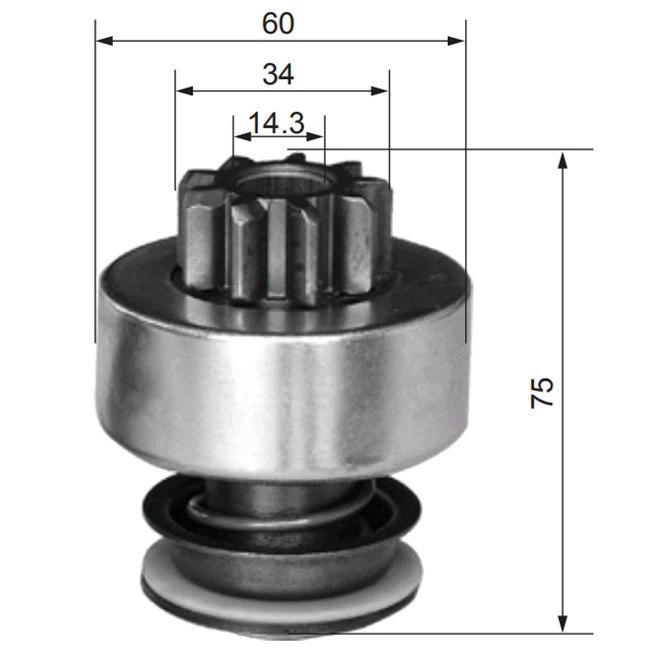
Direct - drive starter motor drives are known for their simplicity. In a direct - drive system, the starter motor is directly connected to the engine's flywheel. This means that the motor's shaft rotates at the same speed as the flywheel when the starter engages.

Advantages
- Simplicity: The direct - drive design is straightforward. There are fewer moving parts compared to gear - reduction drives. This simplicity often translates into lower manufacturing costs and easier maintenance. With fewer components, there is less that can go wrong, reducing the likelihood of mechanical failures.
- High Torque at Low Speeds: Direct - drive starters can deliver high torque at low rotational speeds. This is particularly useful in applications where a large amount of force is needed to turn over the engine, such as in heavy - duty vehicles or industrial equipment with large engines.
- Reliability: Due to their simple design, direct - drive starter motor drives are generally very reliable. They are less prone to issues related to gear wear and misalignment, which can be common in gear - reduction drives.
Disadvantages
- Higher Power Consumption: Direct - drive starters typically require more power to operate. Since they are directly connected to the flywheel, they need to overcome the inertia of the entire engine at once. This can put a strain on the vehicle's electrical system, especially in cold weather when the engine oil is thicker and the engine is more difficult to turn over.
- Limited Speed Range: The speed of a direct - drive starter is directly related to the speed of the engine's flywheel. This limits the starter's ability to operate efficiently at different engine speeds. In some cases, this can result in slower starting times or reduced performance in certain operating conditions.
Gear - Reduction Starter Motor Drives
Gear - reduction starter motor drives use a set of gears to reduce the speed of the motor and increase the torque applied to the engine's flywheel. This allows the motor to operate at a higher speed while still providing the necessary torque to start the engine.
Advantages
- Lower Power Consumption: Gear - reduction starters are more energy - efficient compared to direct - drive starters. By using gears to increase the torque, the motor can operate at a lower current, reducing the load on the vehicle's electrical system. This is especially beneficial in applications where battery power is limited, such as in small vehicles or in situations where the battery is already weakened.
- Compact Design: Gear - reduction starters are generally more compact than direct - drive starters. The use of gears allows the motor to be smaller and lighter, making it easier to install in tight spaces. This is particularly important in modern vehicles where space under the hood is often limited.
- Improved Starting Performance: The gear - reduction design allows the starter to deliver high torque at a lower motor speed. This results in faster and more reliable engine starts, even in cold weather or under difficult operating conditions.
Disadvantages
- Complexity: Gear - reduction starters have a more complex design compared to direct - drive starters. The additional gears and components increase the risk of mechanical failures, such as gear wear, misalignment, or tooth breakage. This can lead to higher maintenance costs and a shorter lifespan for the starter.
- Higher Cost: The complexity of the gear - reduction design also means that these starters are generally more expensive to manufacture. This cost is often passed on to the consumer, making gear - reduction starters a more expensive option compared to direct - drive starters.
Real - World Applications
The choice between a direct - drive and a gear - reduction starter motor drive depends on the specific application.
- Automotive Applications: In most modern passenger cars, gear - reduction starters are the preferred choice. Their compact design, lower power consumption, and improved starting performance make them well - suited for the limited space and electrical systems of these vehicles. However, some heavy - duty trucks and industrial vehicles still use direct - drive starters due to their high torque capabilities.
- Industrial Applications: In industrial settings, such as generators or large machinery, the choice between direct - drive and gear - reduction starters depends on the size and power requirements of the equipment. Direct - drive starters are often used in applications where high torque is needed, while gear - reduction starters are more common in applications where energy efficiency and compact design are important.
Comparing with Other Types of Starter Drives
In addition to direct - drive and gear - reduction starter motor drives, there are other types of starter drives available in the market. For example, the Inertia Drive Starter uses the inertia of the rotating motor to engage the drive pinion with the flywheel. The Prestolite Starter Bendix is another type of starter drive that uses a solenoid to engage the pinion with the flywheel. And the Drive ASM is a complete assembly that includes the drive mechanism and other components. Each of these types of starter drives has its own advantages and disadvantages, and the choice depends on the specific requirements of the application.
Making the Right Choice
When deciding between a direct - drive and a gear - reduction starter motor drive, it's important to consider several factors:
- Power Requirements: If your application requires high torque at low speeds, a direct - drive starter may be the better choice. However, if energy efficiency is a priority, a gear - reduction starter is likely to be more suitable.
- Space Constraints: If space is limited, a gear - reduction starter's compact design may be more advantageous.
- Budget: Direct - drive starters are generally less expensive, but gear - reduction starters may offer better long - term value due to their energy efficiency and improved starting performance.
As a supplier of starter motor drives, I can provide you with the expertise and products to meet your specific needs. Whether you're looking for a direct - drive or a gear - reduction starter, I can help you find the right solution for your application. If you're interested in learning more about our starter motor drives or would like to discuss your requirements, please feel free to reach out. We're here to assist you in making the best choice for your business.


