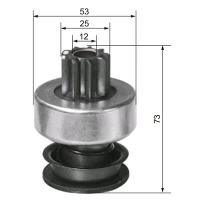
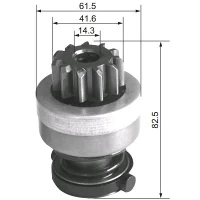
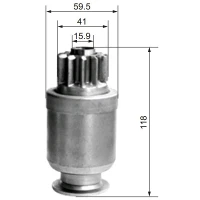
Drive Asm, short for Drive Assembly, is a term commonly used in the automotive industry to refer to a specific component or system within a vehicle. The drive assembly generally consists of various parts that work together to transmit power from the engine to the wheels, allowing the vehicle to move forward or backward.
The exact composition of the drive assembly can vary depending on the type of vehicle and its drivetrain configuration. In a typical front-wheel-drive vehicle, the drive assembly may include components such as the engine, transmission, driveshaft, differential, and axles. These components work in harmony to transfer power from the engine to the front wheels, enabling the vehicle to propel forward.
In rear-wheel-drive vehicles, the drive assembly is slightly different. The engine is usually located at the front of the vehicle, and power is transmitted to the rear wheels through a driveshaft, differential, and axles. This configuration allows for better weight distribution and improved handling characteristics.
In addition to front-wheel-drive and rear-wheel-drive configurations, there are also all-wheel-drive and four-wheel-drive systems, where power is distributed to all four wheels. These systems typically have more complex drive assemblies, incorporating components such as transfer cases, differentials, and additional driveshafts.
The drive assembly is a critical component of any vehicle, as it is responsible for transmitting power from the engine to the wheels, enabling motion. Its design and configuration play a significant role in determining the vehicle's performance, handling, and traction capabilities.