Can a Direct Drive Starter be used in cold weather?
As a supplier of direct drive starters, I've often been asked whether these starters can perform effectively in cold weather conditions. This is a crucial question for many of our customers, especially those in regions with harsh winters or those who use their equipment in cold environments. In this blog post, I'll delve into the science behind direct drive starters and their performance in cold weather, and provide some insights based on our experience in the industry.
Understanding Direct Drive Starters
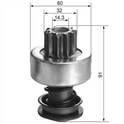
Before we discuss the impact of cold weather on direct drive starters, let's first understand what they are. A direct drive starter is a type of starter motor that directly engages the engine's flywheel or flexplate to crank the engine. Unlike traditional gear reduction starters, which use a set of gears to reduce the speed and increase the torque of the starter motor, direct drive starters have a simpler design with fewer moving parts. This design offers several advantages, including higher efficiency, lower cost, and a more compact size.
The Effects of Cold Weather on Starters
Cold weather can have a significant impact on the performance of any starter motor, including direct drive starters. The main reason for this is the effect of temperature on the battery and the lubricants used in the starter.
Battery Performance
In cold weather, the chemical reactions that occur inside the battery slow down, reducing its ability to deliver the necessary power to the starter motor. This means that the battery may not be able to provide enough current to crank the engine, especially if the engine is large or has a high compression ratio. As a result, the starter motor may struggle to turn the engine over, or it may not be able to turn it over at all.
Lubricant Viscosity
Another factor that can affect the performance of a starter in cold weather is the viscosity of the lubricants used in the starter. Lubricants are used to reduce friction and wear between the moving parts of the starter, but in cold weather, they can become thick and viscous, making it more difficult for the starter to operate smoothly. This can increase the load on the starter motor and reduce its efficiency, leading to slower cranking speeds and potentially causing damage to the starter over time.
Can Direct Drive Starters Perform in Cold Weather?
The answer to this question is yes, direct drive starters can be used in cold weather, but there are some factors to consider.
Battery Capacity
As mentioned earlier, the battery plays a crucial role in the performance of a starter in cold weather. To ensure that your direct drive starter can perform effectively in cold conditions, it's important to use a battery with a high cold cranking amp (CCA) rating. The CCA rating indicates the amount of current that a battery can deliver at 0°F (-18°C) for 30 seconds while maintaining a voltage of at least 7.2 volts. A higher CCA rating means that the battery can provide more power to the starter motor, increasing its chances of successfully cranking the engine in cold weather.
Lubricant Selection
Using the right lubricants in your direct drive starter is also important for cold weather performance. Look for lubricants that are specifically designed for use in cold temperatures and have a low viscosity. These lubricants will flow more easily in cold weather, reducing the load on the starter motor and ensuring smooth operation.
Starter Design
The design of the direct drive starter can also affect its performance in cold weather. Some starters are designed with features that help to improve their cold weather performance, such as heated solenoids or insulation to prevent heat loss. When choosing a direct drive starter for use in cold weather, look for models that are specifically designed for this purpose.
Our Experience with Direct Drive Starters in Cold Weather
At our company, we have extensive experience supplying direct drive starters to customers in a variety of industries, including automotive, marine, and industrial. We've received feedback from many of our customers who use our starters in cold weather conditions, and overall, the performance has been very positive.
One of our customers, a construction company in a northern state, reported that they've been using our direct drive starters in their heavy equipment for several years, even during the coldest winters. They've found that the starters are reliable and perform well, even in temperatures as low as -20°F (-29°C). Another customer, a marine operator, reported that our direct drive starters have been able to start their boats quickly and easily, even in cold and wet conditions.
Examples of Our Products for Cold Weather Use
We offer a range of direct drive starters that are suitable for use in cold weather conditions. Some of our popular products include the Dometic 310423209B Drive ASM, the Starter Bendix Drive Clutch, and the Starter Motor Gear Bendix Drive. These starters are designed with high-quality components and advanced technology to ensure reliable performance in even the most challenging conditions.

Tips for Using Direct Drive Starters in Cold Weather
To get the best performance from your direct drive starter in cold weather, here are some tips to keep in mind:

- Keep the battery charged: Make sure that your battery is fully charged before starting the engine, especially in cold weather. A fully charged battery will have more power to deliver to the starter motor, increasing its chances of successfully cranking the engine.
- Use a block heater: If possible, use a block heater to warm up the engine before starting it. A block heater will help to reduce the viscosity of the engine oil and make it easier for the starter motor to turn the engine over.
- Avoid over-cranking: If the engine doesn't start after a few attempts, don't keep cranking the starter motor for an extended period of time. This can drain the battery and potentially damage the starter motor. Instead, wait a few minutes and try again.
- Inspect the starter regularly: Regularly inspect your direct drive starter for signs of wear or damage, especially if you use it in cold weather conditions. Replace any worn or damaged components as soon as possible to ensure reliable performance.
Conclusion
In conclusion, direct drive starters can be used in cold weather, but it's important to take some precautions to ensure their reliable performance. By using a battery with a high CCA rating, choosing the right lubricants, and selecting a starter that is designed for cold weather use, you can increase the chances of your direct drive starter successfully cranking the engine in cold conditions. At our company, we're committed to providing high-quality direct drive starters that are reliable and perform well in a variety of environments, including cold weather. If you have any questions or need more information about our products, please don't hesitate to contact us. We'd be happy to help you find the right starter for your needs.

References
- Battery Council International. (n.d.). Cold Cranking Amps (CCA) and Reserve Capacity (RC). Retrieved from https://www.batterycouncil.org/consumer-information/cold-cranking-amps-cca-and-reserve-capacity-rc
- Society of Automotive Engineers. (n.d.). SAE J537 - Starter Motors. Retrieved from https://www.sae.org/standards/content/j537_201704/