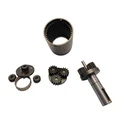
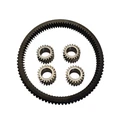
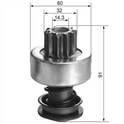
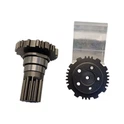
Hey there! As a supplier of Standard Bendix Drives, I've seen my fair share of these parts in action and have learned a thing or two about what to look out for when it comes to signs of a failing unit. In this blog, I'll walk you through the tell - tale signs that your Standard Bendix Drive might be on its way out.
1. Grinding Noises
One of the most obvious signs that something's up with your Bendix Drive is the presence of grinding noises. When you turn the ignition key, the Bendix Drive is supposed to engage smoothly with the flywheel's ring gear. But if it's failing, you might hear a harsh grinding sound. This usually happens when the teeth on the drive gear are worn out or damaged.
The teeth are designed to mesh perfectly with the ring gear. Over time, due to normal wear and tear, these teeth can become rounded or chipped. When this occurs, instead of a smooth engagement, the teeth clash against each other, creating that unpleasant grinding noise. If you hear this sound, it's a clear indication that your Bendix Drive needs some attention. You can check out more about the Bendix Drive Assembly to understand its components better.
2. Failure to Engage
Another sign of a failing Bendix Drive is when it fails to engage with the flywheel at all. When you turn the key, the starter motor spins, but the engine doesn't start. This could be because the Bendix Drive isn't moving forward to make contact with the ring gear.
There are a few reasons why this might happen. The solenoid, which is responsible for pushing the Bendix Drive into position, could be faulty. Or, there could be an issue with the drive itself, like a jammed mechanism. If the drive is stuck in the retracted position, it won't be able to engage with the flywheel, leaving you with a non - starting engine. You can learn more about the Prestolite Starter Bendix which has similar engagement mechanisms.
3. Engine Cranks Slowly
If your engine is cranking slowly, it could be a sign that the Bendix Drive is having trouble. A healthy Bendix Drive should transfer the power from the starter motor to the flywheel efficiently. But if it's failing, there might be a loss of power during this transfer.
This can happen if the overrunning clutch in the Bendix Drive is slipping. The overrunning clutch is designed to allow the drive to spin freely in one direction and lock in the other. When it slips, the starter motor can't effectively turn the flywheel, resulting in a slow - cranking engine. You can find detailed information about the Bendix Drive and its clutch mechanism on the provided link.
4. Excessive Wear on the Drive Gear
Take a look at the drive gear of the Bendix Drive. If you notice excessive wear, such as teeth that are significantly shorter or have large chunks missing, it's a sign that the drive is failing. This wear can be caused by a variety of factors, including improper alignment with the flywheel, excessive heat, or contaminants in the engine.
When the drive gear is worn, it won't be able to engage properly with the ring gear, leading to problems with starting the engine. Regular inspection of the drive gear can help you catch this issue early and prevent further damage.
5. Bendix Drive Stays Engaged
In some cases, the Bendix Drive might stay engaged with the flywheel even after the engine has started. This is a serious problem because it can cause damage to both the drive and the flywheel. The starter motor is not designed to run continuously while the engine is running, and if the Bendix Drive stays engaged, it can overheat and burn out the starter motor.
This can happen if the solenoid fails to disengage the drive or if there is a mechanical problem with the drive itself. If you notice that the starter motor is still running after the engine has started, it's important to turn off the ignition immediately and have the Bendix Drive checked.
6. Electrical Issues
Electrical problems can also indicate a failing Bendix Drive. If you experience intermittent starting problems or if the starter motor doesn't respond at all when you turn the key, it could be due to electrical issues within the Bendix Drive or its associated components.


For example, a loose or corroded electrical connection can prevent the solenoid from functioning properly, which in turn affects the operation of the Bendix Drive. Make sure to check all the electrical connections and wires leading to the starter motor and the Bendix Drive.
7. Vibration
Excessive vibration when starting the engine can be a sign of a failing Bendix Drive. When the drive is not engaging properly or is out of balance, it can cause the starter motor and the surrounding components to vibrate. This vibration can be felt through the steering wheel or the vehicle's body.
If you notice abnormal vibrations during the starting process, it's a good idea to have the Bendix Drive inspected. Vibration can lead to further damage to the drive and other engine components over time.
Why It Matters
A failing Bendix Drive can cause a lot of headaches. It can leave you stranded with a non - starting engine, and if not addressed promptly, it can lead to more serious damage to your vehicle's starter system. That's why it's important to be aware of these signs and take action as soon as you notice any problems.
As a supplier of Standard Bendix Drives, I can offer high - quality replacement parts that are designed to meet or exceed the original specifications. Whether you're a mechanic looking for parts for your customers or a vehicle owner in need of a replacement, I've got you covered.
If you've noticed any of these signs in your vehicle, don't hesitate to reach out. I'm here to help you find the right solution for your Bendix Drive needs. Contact me to discuss your requirements, and let's get your vehicle back on the road in no time.
References
- Automotive repair manuals
- Industry - specific technical bulletins
- Manufacturer's specifications for Standard Bendix Drives