


Is special training necessary for a car starter replacement? This is a question that often comes up among car owners, mechanics, and automotive enthusiasts. As a supplier specializing in car starter replacements, I've had extensive experience and insights into this topic. In this blog, I'll delve into the details to help you understand whether special training is truly required.
The Complexity of Car Starter Systems
Before we discuss the need for special training, it's essential to understand the car starter system. A car starter is a crucial component that initiates the engine's combustion process. It consists of several key parts, including the motor, solenoid, Bendix Drive Assembly, and Drive ASM. Each of these parts plays a vital role in the proper functioning of the starter.
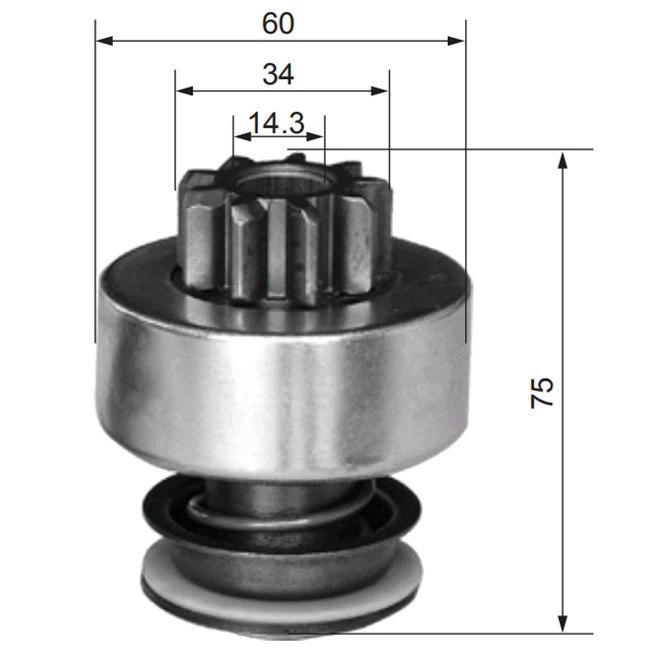

The motor is responsible for converting electrical energy into mechanical energy, which turns the engine's flywheel. The solenoid acts as a switch, engaging the starter motor when the ignition key is turned. The Bendix Drive Assembly is a mechanism that allows the starter gear to mesh with the flywheel and then disengage once the engine starts. The Drive ASM is another integral part that helps transfer the rotational force from the motor to the flywheel.
Basic Knowledge Required for Car Starter Replacement
Replacing a car starter doesn't always demand highly specialized training. With some basic automotive knowledge and the right tools, a car owner or a DIY enthusiast can attempt a starter replacement. Here are the fundamental skills and knowledge areas needed:
Electrical Knowledge
Understanding basic electrical circuits is crucial. You need to know how to disconnect and reconnect the battery safely, as the starter is an electrical component. This includes identifying the positive and negative terminals and using appropriate tools to loosen and tighten the battery cables.
Mechanical Skills
You should have some mechanical skills to remove and install the starter. This involves using wrenches and sockets to remove the bolts that hold the starter in place. You also need to know how to handle the starter carefully to avoid damaging it or other engine components.
Familiarity with the Car's Make and Model
Different cars have different starter configurations. It's important to be familiar with the specific make and model of your car. This includes knowing the location of the starter, the type of starter used, and any special procedures or considerations for replacement.
Situations Where Special Training is Beneficial
While basic knowledge can get you through a simple starter replacement, there are situations where special training becomes highly beneficial:
Diagnostic Skills
Sometimes, the problem isn't just the starter itself. There could be underlying electrical issues, such as a faulty solenoid or a bad wiring connection. Specialized training can teach you how to diagnose these problems accurately. For example, you might need to use diagnostic tools to test the voltage and current in the starter circuit. Without proper training, you could end up replacing the starter when the real problem lies elsewhere.
Complex Starter Systems
Some modern cars have complex starter systems that are more difficult to replace. These systems may use advanced technology, such as start - stop systems, which require a different approach for replacement. Special training can help you understand the intricacies of these systems and ensure a proper replacement.
Safety Considerations
Working on a car's electrical and mechanical systems can be dangerous. Special training emphasizes safety procedures, such as wearing appropriate safety gear, following proper lock - out/tag - out procedures, and avoiding electrical shocks. This is especially important when dealing with high - voltage systems found in some hybrid or electric vehicles.
Our Role as a Car Starter Replacement Supplier
As a supplier of Automotive Replacement Starter Drives, we understand the importance of providing high - quality products and supporting our customers' needs. We offer a wide range of starter drives that are compatible with various car makes and models.
We also recognize the need for knowledge and support among our customers. That's why we provide technical resources, such as installation guides and troubleshooting tips. These resources can be helpful for both DIYers with basic knowledge and professional mechanics.
In addition, we stay up - to - date with the latest trends and technologies in the automotive industry. Our R & D team works continuously to improve our products and develop new solutions for the evolving needs of the market.
Encouraging Contact for Procurement
If you're in the market for car starter replacement parts, we're here to help. Whether you're a professional mechanic looking for reliable products for your shop or a car owner planning a DIY starter replacement, we have the right solutions for you. Our team of experts is ready to assist you with any questions you may have about our products, installation, or compatibility.
Don't hesitate to reach out to us for more information. We're committed to providing excellent customer service and helping you find the best car starter replacement parts for your needs. Contact us today to start the procurement process and experience the difference of working with a trusted supplier.
References
- Automotive Service Excellence (ASE) Training Materials
- Manufacturer's Manuals for Various Car Makes and Models
- Technical Journals in the Automotive Industry


