As a direct drive starter supplier, I've witnessed firsthand the importance of understanding how these critical components connect to an engine. In this blog, I'll provide a comprehensive overview of the connection process, exploring the technical aspects and the significance of a proper connection.
Understanding the Direct Drive Starter
Before delving into the connection process, it's essential to understand what a direct drive starter is. A direct drive starter is a type of starter motor that directly engages with the engine's flywheel or flexplate. Unlike other starter types, such as the Inertia Drive Starter, which uses an inertia mechanism to engage the drive gear, a direct drive starter uses a solenoid to move the drive gear into mesh with the flywheel teeth.


Components of a Direct Drive Starter
A direct drive starter consists of several key components, each playing a crucial role in its operation. These components include:
- Starter Motor: The starter motor is the heart of the direct drive starter. It converts electrical energy from the battery into mechanical energy to crank the engine.
- Solenoid: The solenoid is an electromagnetic switch that controls the engagement of the drive gear with the flywheel. When the ignition switch is turned, the solenoid receives an electrical signal, which activates a plunger. The plunger moves the drive gear into mesh with the flywheel teeth and closes the electrical circuit to the starter motor.
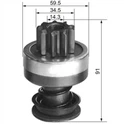
- Drive Gear: The drive gear is a small gear that meshes with the teeth on the engine's flywheel or flexplate. When the starter motor rotates, the drive gear transfers the rotational force to the flywheel, cranking the engine.
- Overrunning Clutch: The overrunning clutch is a mechanism that allows the drive gear to rotate freely in one direction but locks it in the other direction. This prevents the engine from driving the starter motor when the engine is running.
Connecting the Direct Drive Starter to the Engine
The process of connecting a direct drive starter to an engine involves several steps. Here's a step-by-step guide:
- Disconnect the Battery: Before starting any work on the starter, it's essential to disconnect the negative terminal of the battery to prevent electrical shock.
- Locate the Starter: The starter is typically located on the bottom of the engine, near the transmission. It is usually attached to the engine block with bolts.
- Remove the Old Starter: Use a socket wrench to remove the bolts that hold the starter in place. Carefully disconnect the electrical connections from the starter, including the battery cable and the solenoid wire.
- Install the New Starter: Position the new starter in place and secure it with the bolts. Reconnect the electrical connections, making sure to tighten the terminals securely.
- Test the Starter: Reconnect the battery and turn the ignition switch to the "Start" position. The starter should engage with the flywheel and crank the engine. If the starter does not engage or if there are any unusual noises, check the electrical connections and the solenoid.
Importance of a Proper Connection
A proper connection between the direct drive starter and the engine is crucial for the reliable operation of the vehicle. A loose or faulty connection can cause a variety of problems, including:
- Starter Failure: A loose connection can cause the starter to overheat or fail prematurely.
- Engine Starting Problems: A faulty connection can prevent the starter from engaging with the flywheel, making it difficult or impossible to start the engine.
- Electrical Problems: A loose connection can cause electrical arcing, which can damage the starter and other electrical components.
To ensure a proper connection, it's important to follow the manufacturer's instructions and use the correct tools and techniques. It's also a good idea to have the starter and electrical system inspected regularly by a qualified mechanic.
Different Applications and Compatibility
Direct drive starters are used in a wide range of vehicles, including cars, trucks, and industrial equipment. Different vehicles may require different types of starters, depending on the engine size, voltage, and other factors. As a supplier, we offer a variety of direct drive starters to meet the needs of different applications.
For example, some vehicles may require a GM Starter Bendix, which is specifically designed for General Motors vehicles. Other vehicles may require a Ford Starter Bendix, which is designed for Ford vehicles. It's important to choose the right starter for your vehicle to ensure proper fit and performance.
Troubleshooting and Maintenance
Even with a proper connection, direct drive starters can experience problems over time. Some common problems include:
- Starter Motor Failure: The starter motor can fail due to wear and tear, overheating, or electrical problems.
- Solenoid Failure: The solenoid can fail due to a faulty electrical connection, a worn-out plunger, or a damaged coil.
- Drive Gear Wear: The drive gear can wear out over time, causing it to slip or fail to engage with the flywheel.
If you experience any problems with your direct drive starter, it's important to have it inspected and repaired by a qualified mechanic. Regular maintenance, such as cleaning the electrical connections and lubricating the moving parts, can also help prevent problems and extend the life of the starter.
Conclusion
In conclusion, understanding how a direct drive starter connects to the engine is essential for the reliable operation of your vehicle. By following the proper installation procedures and maintaining the starter, you can ensure that it performs its job effectively and efficiently. As a direct drive starter supplier, we are committed to providing high-quality products and excellent customer service. If you have any questions or need assistance with your direct drive starter, please don't hesitate to contact us. We look forward to working with you to meet your starter needs.
References
- Automotive Service Excellence (ASE) Certification Materials
- Manufacturer's Service Manuals for Various Vehicles
- Technical Publications on Starter Motor Technology