Hey there! As a supplier of Starter Motor Drives, I've had my fair share of questions about all sorts of things related to these nifty little devices. One question that pops up quite often is about the noise levels of a starter motor drive. So, let's dig into this topic and see what's what.
First off, what exactly is a starter motor drive? Well, it's a crucial part of a vehicle's starting system. When you turn the key in your ignition, the starter motor drive engages with the engine's flywheel, cranking the engine to life. It's like the wake - up call for your car's engine.
Now, let's talk about noise. Noise from a starter motor drive can come from several sources. One of the main culprits is the mechanical interaction between the drive's gears and the flywheel. When the starter motor drive engages, the teeth of the drive gear mesh with the teeth of the flywheel. This meshing process can generate a certain amount of noise, especially if there's any misalignment or wear and tear.
For example, if the teeth on the drive gear or the flywheel are damaged or worn, they won't mesh smoothly. This can lead to a grinding or rattling noise. It's kind of like trying to fit two puzzle pieces together that don't quite match. The more worn or damaged the teeth are, the louder and more noticeable the noise will be.
Another source of noise can be the solenoid. The solenoid is responsible for engaging the starter motor drive with the flywheel. When the solenoid activates, it moves a plunger that pushes the drive gear into position. This movement can create a clicking or thumping sound. In some cases, a faulty solenoid can make an unusually loud noise, which might indicate that it needs to be replaced.
The quality of the materials used in the starter motor drive also plays a big role in the noise levels. High - quality materials are often more precise and durable. They're less likely to develop wear and tear quickly, which means they'll operate more quietly. Cheaper materials, on the other hand, might not be as well - made. They could lead to more noise and a shorter lifespan for the drive.
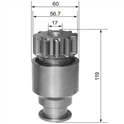
As a supplier, we offer a range of starter motor drives, including the GM Starter Bendix. This particular model is known for its reliability and relatively low noise levels. It's designed with high - quality materials and precision engineering to ensure smooth operation.
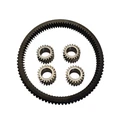
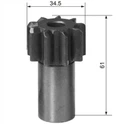
The 11 Tooth Starter Bendix is another great option. It's specifically engineered to provide a good balance between performance and noise reduction. The 11 - tooth design allows for efficient power transfer while minimizing the noise generated during engagement.
Our Starter Motor Bendix is a versatile choice that can be used in a variety of vehicles. It's built to last and offers quiet operation, making it a popular choice among our customers.
Now, let's talk about how to measure the noise levels of a starter motor drive. One common way is to use a sound level meter. This device measures the intensity of sound in decibels (dB). When testing a starter motor drive, you'd typically measure the noise at a specific distance and under controlled conditions.
For a normal, well - functioning starter motor drive, the noise level should be relatively low. In most cases, it might be around 60 - 70 dB. However, if the noise level exceeds 80 dB, it could be a sign of a problem. High noise levels can indicate issues like misalignment, worn gears, or a faulty solenoid.
It's also important to note that the noise levels can vary depending on the type of vehicle. For example, a small car might have a quieter starter motor drive compared to a large truck or a heavy - duty vehicle. The engine size, the design of the starting system, and the overall vehicle construction can all affect the noise levels.
As a supplier, we understand the importance of providing quiet - running starter motor drives. Not only does it enhance the user experience, but it also indicates a high - quality product. We constantly work on improving our designs and using the latest technologies to reduce noise levels.
If you're in the market for a starter motor drive, it's a good idea to consider the noise levels. You don't want a drive that sounds like a jackhammer every time you start your vehicle. Look for a drive that's known for its quiet operation, like the ones we offer.


We're here to help you find the perfect starter motor drive for your needs. Whether you're a mechanic looking to stock up on parts or a vehicle owner in need of a replacement, we've got you covered. Our team of experts can answer any questions you might have about noise levels, compatibility, or installation.
So, if you're interested in learning more about our starter motor drives or want to place an order, don't hesitate to reach out. We're always ready to assist you in making the right choice for your vehicle.
In conclusion, the noise levels of a starter motor drive are an important factor to consider. They can tell you a lot about the condition and quality of the drive. By choosing a high - quality, quiet - running drive, you can ensure a smooth and hassle - free starting experience for your vehicle.
References
- Automotive Engineering textbooks
- Industry research on starter motor performance