In the realm of construction vehicles, the choice of a reliable starter system is crucial for ensuring smooth operation and minimizing downtime. As an established supplier of Inertia Drive Starters, I am often asked whether these starters can be effectively used in construction vehicles. In this blog post, I will delve into the technical aspects, advantages, and considerations of using Inertia Drive Starters in the context of construction vehicles.
Technical Overview of Inertia Drive Starters
Inertia Drive Starters are a type of starter motor that rely on the principle of inertia to engage the starter gear with the engine's flywheel ring gear. When the ignition key is turned, the starter motor spins up rapidly, and the inertia of the rotating components causes the starter drive to slide along the motor shaft and engage with the flywheel. This design offers a simple and cost - effective solution for starting engines.
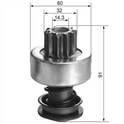
The basic components of an Inertia Drive Starter include the motor, the starter drive (such as the Starter Motor Bendix), and the solenoid. The motor provides the rotational power, the starter drive transfers this power to the engine, and the solenoid controls the engagement and disengagement of the starter drive.
Suitability for Construction Vehicles
Engine Compatibility
Construction vehicles are equipped with a wide range of engines, from small diesel engines in compact loaders to large, powerful engines in heavy - duty excavators and bulldozers. Inertia Drive Starters can be designed and sized to match the starting requirements of different engines. For smaller engines in construction equipment, the relatively simple design of Inertia Drive Starters can provide sufficient torque to turn the engine over.
However, for larger and more powerful engines, the starting torque requirements are significantly higher. In such cases, careful consideration must be given to the capacity of the Inertia Drive Starter. The starter motor must be able to generate enough rotational force to overcome the compression in the cylinders and start the engine. Some of our advanced models, like the SVC PWR AWN, are engineered to provide high - torque output, making them suitable for larger construction vehicle engines.
Environmental Conditions
Construction sites are known for their harsh environmental conditions. Dust, dirt, moisture, and extreme temperatures can all affect the performance and reliability of a starter system. Inertia Drive Starters are generally robust and can withstand a certain degree of environmental stress.
The sealed design of many Inertia Drive Starters helps protect the internal components from dust and dirt ingress. Additionally, they are often designed to operate within a wide temperature range. For example, in cold weather conditions, the starter motor must be able to generate enough power to overcome the increased viscosity of the engine oil. Our Inertia Drive Starters are engineered with high - performance materials and insulation to ensure reliable operation even in extreme cold.
Maintenance and Durability
One of the key advantages of Inertia Drive Starters in construction vehicles is their relatively low maintenance requirements. The simple design means fewer moving parts, which reduces the likelihood of mechanical failures. The Self Starter Bendix in our Inertia Drive Starters is designed for long - term durability, with minimal wear and tear over time.
Regular maintenance typically involves checking the electrical connections, cleaning the starter motor, and inspecting the starter drive for any signs of damage. This ease of maintenance is particularly beneficial in the construction industry, where downtime can be costly.
Advantages of Using Inertia Drive Starters in Construction Vehicles
Cost - Effectiveness
Inertia Drive Starters are generally more cost - effective compared to other types of starter systems. Their simple design and fewer components make them less expensive to manufacture and purchase. For construction companies looking to keep their equipment costs down, Inertia Drive Starters offer an attractive option without sacrificing too much in terms of performance.
Quick Starting
The inertia - based engagement mechanism of these starters allows for quick and efficient starting of the engine. Once the ignition is turned, the starter motor rapidly spins up and engages with the flywheel, reducing the time it takes to start the engine. This is especially important in construction applications, where time is often of the essence.
Considerations
Starting Frequency
Construction vehicles may be started and stopped frequently throughout the day. Frequent starting can put additional stress on the Inertia Drive Starter. The repeated engagement and disengagement of the starter drive can cause wear on the gears and other components. However, our Inertia Drive Starters are designed to withstand a high number of start cycles, and proper maintenance can further extend their lifespan.
Compatibility with Electrical Systems
Construction vehicles often have complex electrical systems, which may include additional accessories and equipment. The Inertia Drive Starter must be compatible with the vehicle's electrical system in terms of voltage, current, and power requirements. Our technical team can assist in ensuring that the starter is properly matched to the electrical system of the construction vehicle.
Conclusion
In conclusion, Inertia Drive Starters can be a viable option for construction vehicles. Their engine compatibility, ability to withstand harsh environmental conditions, low maintenance requirements, cost - effectiveness, and quick starting capabilities make them suitable for a wide range of construction applications. However, careful consideration must be given to factors such as starting frequency and electrical system compatibility.


As a leading supplier of Inertia Drive Starters, we are committed to providing high - quality products and technical support. If you are in the construction industry and are considering using Inertia Drive Starters for your vehicles or equipment, we invite you to contact us to discuss your specific requirements. Our team of experts will be happy to assist you in selecting the right starter system for your needs.
References
- Automotive Electrical and Electronic Systems, Third Edition, by William H. Crouse and Carl A. Anglin
- Diesel Engine Technology for Non - Technicians, Fourth Edition, by G. Patrick Kochan