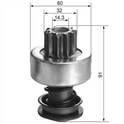
What is the best time to replace a car starter? This is a question that many car owners often face. As a professional car starter replacement supplier, we understand the importance of getting this decision right. In this blog post, we'll explore the key factors that can help you determine the optimal time to replace your car starter.
Understanding the Role of a Car Starter
Before delving into when to replace a car starter, it's crucial to understand its function. The car starter is an essential component of the vehicle's starting system. When you turn the key in the ignition or press the start - button, the starter motor engages with the flywheel of the engine. It then cranks the engine to initiate the combustion process, allowing the engine to start and run. There are different types of starters, such as the Inertia Drive Starter, Standard Bendix Drive, and SVC PWR AWN, each with its own unique characteristics and working mechanisms.


Signs That Indicate It's Time to Replace the Starter
1. Slow Cranking
One of the most common signs that your car starter might need replacement is slow cranking. When you turn the key or push the start button, if the engine takes longer than usual to start and you notice that the cranking speed is significantly slower, it could be a sign of a failing starter. This slower cranking can be due to worn - out components inside the starter motor, such as brushes, solenoids, or bearings. Over time, these parts can wear down, causing a decrease in the starter's efficiency.
2. Clicking Noise
A clicking noise when you attempt to start your car is another tell - tale sign. Usually, this is caused by the solenoid engaging but not being able to properly turn the starter motor. A single loud click may indicate a problem with the solenoid, while rapid clicking can suggest a low battery or a faulty connection between the battery and the starter. In some cases, repeated clicking without the engine starting can mean that the starter itself is on the verge of failure.
3. Grinding Noise
If you hear a grinding noise during the starting process, it's a serious red flag. This noise typically occurs when the starter's pinion gear does not properly engage with the flywheel's ring gear. The grinding can cause severe damage to both the pinion gear and the flywheel over time. In most cases, this problem requires immediate attention and possibly the replacement of the starter.
4. Starter Failure After Recent Repairs
Sometimes, a car starter might have been repaired before. If it fails soon after a repair, it could be a sign that the root cause of the problem was not properly addressed, or that the replacement parts used were of poor quality. In such situations, it might be more cost - effective and reliable to replace the entire starter.
5. Frequent Jump - Starting
If you find yourself having to jump - start your car frequently, and the battery has been tested and is in good condition, the starter could be the culprit. A failing starter may not draw enough power from the battery or may not be able to convert that power into the mechanical energy needed to start the engine.
Factors Affecting the Lifespan of a Car Starter
1. Driving Habits
Aggressive driving habits can have a negative impact on the lifespan of your car starter. Frequent short trips or constantly starting and stopping the engine, such as in heavy traffic conditions, can put extra stress on the starter motor. Each time the engine is started, the starter has to work hard to overcome the engine's initial inertia. Over time, this repeated stress can lead to premature wear and tear of the starter components.
2. Environmental Conditions
Extreme temperatures, both hot and cold, can affect the performance and lifespan of a car starter. In cold weather, the engine oil thickens, making it more difficult for the starter to crank the engine. The battery also loses some of its power in cold temperatures, putting additional strain on the starter. On the other hand, in hot weather, the heat can cause the starter's components to expand, leading to increased friction and potential damage over time.
3. Quality of the Starter
The quality of the starter itself plays a significant role in its lifespan. High - quality starters are typically made with better materials and more precise manufacturing processes. They are more likely to withstand the normal wear and tear of daily use and are less prone to failure. As a car starter replacement supplier, we offer a range of high - quality starters that are designed to meet or exceed the original equipment manufacturer (OEM) standards.
4. Maintenance
Regular maintenance of your vehicle can also extend the life of the starter. Keeping the battery terminals clean and well - tightened, as well as ensuring proper electrical connections throughout the starting system, can help prevent unnecessary stress on the starter. Additionally, having your vehicle regularly inspected by a professional mechanic can catch potential starter problems early.
Determining the Best Time for Replacement
In general, most car starters have a lifespan of around 100,000 to 150,000 miles. However, this can vary depending on the factors mentioned above. If you notice any of the signs of a failing starter, such as slow cranking, clicking or grinding noises, it's best not to delay the inspection and possible replacement.
Waiting too long to replace a faulty starter can lead to more serious problems. For example, a malfunctioning starter can damage the flywheel, which is a much more expensive and time - consuming repair. In some cases, a completely failed starter can leave you stranded, especially if it fails in the middle of nowhere or during adverse weather conditions.
It's also a good idea to consider replacing the starter before embarking on a long trip. Ensuring that your vehicle's starting system is in top - notch condition can give you peace of mind and prevent any unexpected breakdowns during your journey.
The Advantages of Choosing Our Car Starters
As a leading car starter replacement supplier, we take pride in offering a wide range of high - quality starters. Our starters are designed to provide reliable performance and durability. They are rigorously tested to ensure that they meet the highest standards of quality and functionality.
We offer starters for a variety of vehicle makes and models, and our expert team can provide you with the right advice and support to help you choose the most suitable starter for your car. Whether you need a Inertia Drive Starter, Standard Bendix Drive, or SVC PWR AWN, we have you covered.
Contact us for Your Car Starter Needs
If you're experiencing problems with your car starter or are simply looking to replace it as a preventive measure, we're here to help. Our team of professionals is ready to assist you with all your car starter replacement needs. Whether you're a car owner, a mechanic, or a business in the automotive industry, we can provide you with the high - quality products and excellent customer service you deserve.
Don't wait until a failing starter causes major problems for your vehicle. Contact us today to discuss your requirements and get started on the process of replacing your car starter. We look forward to serving you and helping you keep your vehicle running smoothly.
References
- Automotive Repair Manuals
- Technical Documents from Starter Manufacturers
- Industry Research on Car Starter Lifespan and Failure Rates