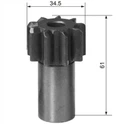
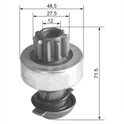
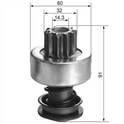
An overrunning - clutch drive is a vital component in many mechanical systems, especially in the automotive industry where it plays a key role in starter motors. As a leading supplier of overrunning - clutch drives, I am excited to delve into the life cycle of this remarkable device, from its birth to its eventual replacement.
1. Design and Manufacturing
The life cycle of an overrunning - clutch drive begins with the design phase. Engineers use advanced computer - aided design (CAD) software to create detailed 3D models of the clutch drive. They take into account various factors such as the intended application, torque requirements, and space limitations. For example, a Starter Motor Drive used in a heavy - duty truck will have different design specifications compared to one used in a small passenger car.
During the manufacturing process, high - quality materials are selected to ensure the durability and performance of the overrunning - clutch drive. Common materials include hardened steel for the gears and springs, as well as precision - crafted bearings. State - of - the - art machining techniques are employed to create the intricate components of the clutch drive. This involves processes such as turning, milling, and grinding to achieve the required dimensions and surface finishes.
Assembly is a critical step in the manufacturing process. Skilled technicians carefully assemble the individual components of the overrunning - clutch drive, ensuring that each part is correctly positioned and integrated. Quality control measures are implemented at every stage of assembly to detect and correct any potential defects. This helps to guarantee that the final product meets or exceeds the industry standards.
2. Installation and Initial Use
Once the overrunning - clutch drive is manufactured and tested, it is ready for installation. In the automotive sector, the clutch drive is typically installed in the starter motor assembly. The installation process requires a certain level of mechanical expertise, as the clutch drive must be precisely aligned with other components in the starter motor.
When the vehicle's ignition key is turned, the starter motor is activated, and the overrunning - clutch drive comes into action. The drive engages with the engine's flywheel, transferring the rotational force from the starter motor to the engine. This allows the engine to start. Once the engine starts running on its own, the overrunning - clutch drive disengages to prevent the engine from driving the starter motor, thus protecting the latter from damage.


The initial use of the overrunning - clutch drive sets the stage for its subsequent performance. If the installation is done correctly, the clutch drive will operate smoothly and efficiently, providing reliable starting performance for the vehicle.
3. Normal Operation and Maintenance
During normal operation, the overrunning - clutch drive experiences various stresses and wear mechanisms. The repeated engagement and disengagement with the flywheel, as well as the transmission of torque, can cause wear on the gears and other friction surfaces. However, if the vehicle is driven under normal conditions and the clutch drive is of high quality, it can last for a significant period.
Regular maintenance is crucial for prolonging the life of the overrunning - clutch drive. This includes checking the starter motor system for any signs of abnormal noise, vibration, or reduced performance. For Accurate Starter Drives, proper maintenance can ensure accurate engagement and disengament, which is essential for the overall performance of the vehicle.
In addition, keeping the starter motor clean and free from debris can prevent premature wear of the clutch drive. Technician may also lubricate the moving parts of the clutch drive as recommended by the manufacturer to reduce friction and wear.
4. Malfunction and Troubleshooting
Over time, the overrunning - clutch drive may develop malfunctions. One common problem is a failure to engage or disengage properly. This can lead to issues such as a starter motor that spins continuously even after the engine has started, or a starter motor that fails to turn the engine.
Another possible malfunction is excessive wear on the gears, which can result in loss of torque transfer efficiency. This may cause the engine to start slowly or not start at all. When such problems occur, troubleshooting is necessary. Mechanics will typically inspect the starter motor assembly, including the overrunning - clutch drive, to identify the root cause of the problem.
For DB Electrical Starter Drive, the troubleshooting process may involve checking the electrical connections, testing the solenoid, and examining the physical condition of the clutch drive. In some cases, minor adjustments or repairs can resolve the issue. However, if the damage is severe, the overrunning - clutch drive may need to be replaced.
5. Replacement
When an overrunning - clutch drive reaches the end of its service life, replacement is often the best solution. The replacement process is similar to the initial installation, but it requires careful removal of the old clutch drive and proper installation of the new one.
Many vehicle owners choose to replace the overrunning - clutch drive during a Car Starter Replacement to ensure the overall reliability of the starter motor system. When selecting a replacement clutch drive, it is important to choose a high - quality product that is compatible with the vehicle's make and model. For example, a 11 Tooth Starter Bendix may be required for specific vehicles.
6. Recycling and End - of - Life
After being removed from the vehicle, the old overrunning - clutch drive can often be recycled. Recycling helps to reduce waste and conserve natural resources. The metal components of the clutch drive, such as steel and aluminum, can be melted down and reused in the manufacturing of new products.
Some recycling facilities also specialize in the recovery of other materials used in the clutch drive, such as plastics and rubber. By recycling overrunning - clutch drives, we can contribute to a more sustainable and environmentally friendly approach to manufacturing and disposal.
Conclusion
The life cycle of an overrunning - clutch drive is a complex and multi - stage process, from design and manufacturing to recycling. As a supplier of overrunning - clutch drives, we are committed to providing high - quality products that meet the diverse needs of our customers. Whether you are in the automotive industry or other sectors that rely on starter motor systems, we have the expertise and products to support your requirements.
If you are interested in purchasing overrunning - clutch drives or have any questions about our products, please feel free to reach out to us for a procurement discussion. We look forward to working with you to ensure the smooth operation of your mechanical systems.