When it comes to the installation of a starter motor drive, safety should always be the top priority. As a reputable starter motor drive supplier, we understand the critical importance of taking proper safety precautions during the installation process. This blog aims to provide you with comprehensive guidance on the safety measures that should be taken when installing a starter motor drive.
Pre - installation Safety Checks
Before you even begin the installation process, it is essential to conduct a series of safety checks. First and foremost, ensure that the power source to the vehicle or equipment is completely disconnected. This can prevent accidental electrical shocks and short - circuits during the installation. For instance, if you are working on a car, remove the negative terminal of the battery. This simple step can significantly reduce the risk of electrical hazards.
Inspect the starter motor drive thoroughly for any visible damage or defects. Check for cracks, loose parts, or signs of wear and tear. A damaged starter motor drive can not only malfunction but also pose a safety risk. If you find any issues, do not attempt to install the drive. Instead, contact us, your reliable starter motor drive supplier, for a replacement.
Personal Protective Equipment (PPE)
Wearing appropriate personal protective equipment is crucial during the installation of a starter motor drive. Safety glasses should be worn to protect your eyes from any debris or small parts that may fly off during the installation. Gloves are also essential to protect your hands from sharp edges, hot surfaces, and chemicals. Additionally, wearing safety shoes can safeguard your feet from heavy objects or accidental impacts.
Installation Environment
Choose a well - ventilated and clean area for the installation. A cluttered or dirty workspace can increase the risk of tripping and falling. Also, proper ventilation is necessary to prevent the accumulation of harmful fumes, especially if you are working with solvents or lubricants. If you are working indoors, ensure that there is adequate airflow to disperse any fumes.
Handling the Starter Motor Drive
When handling the starter motor drive, be gentle and avoid dropping or mishandling it. The drive contains delicate components that can be easily damaged. Lift the drive with both hands and place it on a stable surface. If the drive is heavy, use appropriate lifting equipment to avoid back injuries.
Electrical Safety
As mentioned earlier, disconnect the power source before starting the installation. When connecting the electrical wires, make sure to follow the manufacturer's instructions carefully. Incorrect wiring can lead to electrical fires or damage to the starter motor drive. Use insulated tools to prevent electrical shocks. Check the insulation of the wires for any signs of damage or wear. If the insulation is damaged, replace the wires before proceeding with the installation.
Mechanical Installation
During the mechanical installation, ensure that all bolts and fasteners are tightened to the correct torque specifications. Loose bolts can cause the starter motor drive to vibrate, which may lead to premature wear and failure. Use a torque wrench to ensure accurate tightening.
When installing the drive, align it properly with the engine's flywheel or ring gear. Misalignment can cause excessive wear on the drive and the engine components. Refer to the installation manual for the correct alignment procedures.
Post - installation Checks
After the installation is complete, perform a series of post - installation checks. Reconnect the power source and test the starter motor drive. Listen for any unusual noises or vibrations. If you notice any issues, immediately disconnect the power source and inspect the installation.
Check all the electrical connections to ensure they are secure. Look for any signs of overheating or loose connections. Also, check the mechanical components for any signs of misalignment or damage.
Specific Starter Motor Drive Types
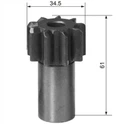
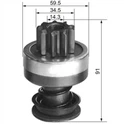
There are different types of starter motor drives, such as the Countershaft for Starter Motor, Bendix Starter Drive, and GM Starter Bendix. Each type may have specific installation requirements and safety precautions.
For the countershaft for starter motor, ensure that the countershaft is properly lubricated before installation. This can reduce friction and wear during operation. When installing the Bendix starter drive, pay close attention to the engagement mechanism. Make sure it functions smoothly and engages properly with the flywheel. The GM Starter Bendix also requires careful installation to ensure proper operation.
Importance of Professional Installation
While some experienced DIY enthusiasts may be able to install a starter motor drive, it is often recommended to have a professional perform the installation. Professional installers have the necessary skills, knowledge, and tools to ensure a safe and proper installation. They are also familiar with the specific requirements of different starter motor drives and can handle any issues that may arise during the installation.


Contact Us for Your Starter Motor Drive Needs
If you are in the market for a high - quality starter motor drive, look no further. As a leading starter motor drive supplier, we offer a wide range of products to meet your needs. Our drives are made from high - quality materials and are designed to provide reliable performance.
Whether you need a Countershaft for Starter Motor, Bendix Starter Drive, or GM Starter Bendix, we have you covered. Contact us today to discuss your requirements and start the procurement process. Our team of experts is ready to assist you in finding the right starter motor drive for your application.
References
- Automotive Service Excellence (ASE) Manuals
- Starter Motor Drive Manufacturer's Installation Guides