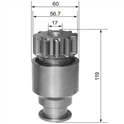
Hey there! I'm a supplier of Starter Motor Drives, and today I'm gonna share with you how to repair a starter motor drive. Whether you're a DIY enthusiast or a professional mechanic, this guide will walk you through the process step by step.
Understanding the Starter Motor Drive
Before we dive into the repair process, let's quickly go over what a starter motor drive is and how it works. The starter motor drive is a crucial component in your vehicle's starting system. Its main job is to engage the flywheel of the engine when you turn the ignition key, allowing the engine to start.
There are different types of starter motor drives out there. One common type is the 9 Tooth Starter Drive. This type has nine teeth on the drive gear, which is designed to mesh with the teeth on the flywheel. Another well - known system is the Bendix System. The Bendix drive uses a helix on the starter motor shaft to move the drive gear into engagement with the flywheel when the starter motor is energized. And then there's the Prestolite Starter Bendix, which is a specific type of Bendix drive made by Prestolite.


Signs That Your Starter Motor Drive Needs Repair
So, how do you know if your starter motor drive is acting up? Here are some common signs:
- Grinding Noise: If you hear a grinding noise when you try to start your vehicle, it could mean that the drive gear isn't engaging properly with the flywheel. This could be due to worn - out teeth on the drive gear or the flywheel.
- Clicking Sound: A single clicking sound when you turn the ignition key might indicate that the solenoid is working, but the drive isn't engaging. This could be a problem with the drive mechanism itself.
- Failure to Start: If your engine doesn't start at all, and you've ruled out other issues like a dead battery, the starter motor drive could be the culprit.
Tools You'll Need
Before you start the repair, gather the following tools:
- Socket set
- Wrenches
- Screwdrivers (both flat - head and Phillips)
- Pliers
- A clean workbench
- A container to hold small parts
Step - by - Step Repair Process
Step 1: Disconnect the Battery
Safety first! Before you do anything, disconnect the negative terminal of your vehicle's battery. This will prevent any electrical shocks or short circuits while you're working on the starter motor drive.
Step 2: Locate the Starter Motor
The starter motor is usually located near the bottom of the engine, close to the transmission. It's a large, cylindrical component with wires and a solenoid attached to it.
Step 3: Remove the Starter Motor
Use your socket set and wrenches to remove the bolts that hold the starter motor in place. There are usually two or three bolts. Once the bolts are removed, carefully disconnect the wires from the starter motor. The main wire is usually a large, thick cable, and there may be a smaller wire connected to the solenoid.
Step 4: Disassemble the Starter Motor Drive
Once you've removed the starter motor, you can start disassembling the drive. First, remove the solenoid cover using a screwdriver. Inside, you'll see the solenoid plunger and the contacts. If the contacts are worn or burned, they may need to be replaced.
Next, remove the drive gear. This may require a special tool or a pair of pliers. Be careful not to damage the teeth on the drive gear.
Step 5: Inspect the Components
Now that you've disassembled the drive, it's time to inspect the components. Check the teeth on the drive gear for wear or damage. If the teeth are worn down, the drive gear will need to be replaced. Also, check the helix on the starter motor shaft. If it's damaged or worn, it can prevent the drive gear from engaging properly.
Inspect the solenoid contacts. If they're burned or pitted, they'll need to be cleaned or replaced. You can clean the contacts with a fine - grit sandpaper, but if they're too damaged, it's best to replace them.
Step 6: Clean the Components
Use a parts cleaner and a brush to clean all the components. This will remove any dirt, grease, or debris that could affect the performance of the starter motor drive. Make sure to dry the components thoroughly before reassembling them.
Step 7: Reassemble the Starter Motor Drive
Once you've inspected and cleaned the components, it's time to put the starter motor drive back together. Start by installing the new drive gear (if you replaced it). Make sure it fits snugly on the helix of the starter motor shaft.
Reinstall the solenoid cover and the contacts. Tighten the screws securely.
Step 8: Reinstall the Starter Motor
Carefully reinstall the starter motor in the vehicle. Connect the wires to the starter motor and tighten the bolts. Make sure the starter motor is properly aligned.
Step 9: Reconnect the Battery
Finally, reconnect the negative terminal of the battery.
Testing the Repaired Starter Motor Drive
After you've completed the repair and reinstalled the starter motor, it's time to test it. Turn the ignition key and listen for the sound of the engine starting. If the engine starts smoothly and there are no unusual noises, then your repair was successful.
When to Seek Professional Help
If you're not comfortable doing the repair yourself, or if you encounter any problems during the process, it's best to seek professional help. A professional mechanic has the experience and tools to diagnose and fix the problem quickly and safely.
Conclusion
Repairing a starter motor drive can be a challenging but rewarding task. By following the steps outlined in this guide, you can save money on repair costs and gain a better understanding of how your vehicle's starting system works.
If you're in the market for a new starter motor drive or replacement parts, we're here to help. We're a trusted supplier of high - quality Starter Motor Drives, and we offer a wide range of products to meet your needs. Whether you need a 9 Tooth Starter Drive, a Bendix System, or a Prestolite Starter Bendix, we've got you covered.
If you have any questions or would like to discuss your specific requirements, feel free to reach out to us. We're always happy to help you find the right solution for your vehicle.
References
- Automotive Repair Manuals
- Online automotive forums
- Manufacturer's technical documentation