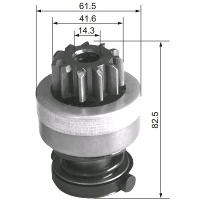
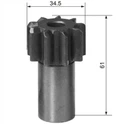
As a supplier of the Bendix System, I've witnessed firsthand the transformative power of this technology in various industries. The Bendix System, known for its reliability and efficiency, is a cornerstone in many automotive and industrial applications. However, like any significant investment, it's crucial to conduct a thorough cost - benefit analysis before integrating it into your operations. In this blog, I'll explore the key cost - benefit analysis methods for the Bendix System, helping you make an informed decision.
Identifying Costs Associated with the Bendix System
Initial Investment
The first and most obvious cost is the initial purchase of the Bendix System. This includes the price of the Bendix Drive and any associated components. The cost can vary depending on the system's specifications, brand, and the scale of your operations. For example, a high - performance Bendix Drive for a large industrial vehicle will be more expensive than a standard one for a consumer car. Additionally, you may need to factor in installation costs. Professional installation ensures that the system is set up correctly and functions optimally, but it comes at an additional expense.
Maintenance Costs
Maintenance is an ongoing cost that should not be overlooked. The Bendix System requires regular checks and servicing to ensure its longevity and reliability. This may involve replacing worn - out parts, lubricating moving components, and conducting diagnostic tests. The frequency of maintenance depends on the usage of the system. For instance, a system in a heavy - duty industrial setting may need more frequent maintenance compared to one in a light - use automotive application. You can find compatible replacement parts like the DB Electrical Starter Drive to keep the system running smoothly.
Training Costs
If your employees are not familiar with the Bendix System, you'll need to invest in training. Proper training ensures that your staff can operate and maintain the system safely and effectively. Training can be provided by the system manufacturer, a third - party training provider, or in - house. The cost of training includes the fees for the training program, any training materials, and the time your employees spend away from their regular work.
Assessing Benefits of the Bendix System
Improved Efficiency
One of the primary benefits of the Bendix System is its ability to improve efficiency. The Starter Drives in the Bendix System are designed to engage quickly and smoothly, reducing the time it takes to start an engine. This can lead to significant time savings, especially in applications where frequent starts and stops are required. For example, in a delivery truck fleet, faster engine starts mean more time on the road and increased productivity.
Enhanced Reliability
The Bendix System is renowned for its reliability. It is built to withstand harsh operating conditions, such as extreme temperatures and vibrations. A reliable system reduces the risk of breakdowns, which can result in costly downtime. In an industrial manufacturing setting, a breakdown of the starting system can halt production, leading to lost revenue. By using the Bendix System, you can minimize these risks and ensure continuous operation.
Cost Savings in the Long Run
Although the initial investment in the Bendix System may be relatively high, it can lead to cost savings in the long run. The improved efficiency and reliability of the system can result in lower fuel consumption and fewer repairs. For example, a more efficient starter drive can reduce the amount of energy required to start the engine, leading to lower fuel costs over time. Additionally, fewer breakdowns mean less money spent on emergency repairs and replacement parts.
Cost - Benefit Analysis Methods
Net Present Value (NPV)
The Net Present Value method is a widely used approach in cost - benefit analysis. It involves calculating the present value of all costs and benefits associated with the Bendix System over a specific time period. To calculate the NPV, you first estimate the future cash flows (both costs and benefits) and then discount them to their present value using an appropriate discount rate. A positive NPV indicates that the benefits of the system outweigh the costs, making it a financially viable investment. For example, if the present value of the cost savings and increased productivity from the Bendix System over the next five years is greater than the initial investment and the present value of all future maintenance and training costs, then the NPV is positive.
Payback Period
The payback period is another straightforward method to evaluate the cost - benefit of the Bendix System. It measures the time it takes for the initial investment to be recovered through the benefits generated by the system. To calculate the payback period, divide the initial investment by the annual net cash flow (benefits minus costs). A shorter payback period is generally more favorable, as it means you can recoup your investment more quickly. For instance, if the initial investment in the Bendix System is $10,000 and the annual net cash flow is $2,500, the payback period is four years.
Benefit - Cost Ratio (BCR)
The Benefit - Cost Ratio is calculated by dividing the total present value of benefits by the total present value of costs. A BCR greater than 1 indicates that the benefits outweigh the costs, suggesting that the investment is worthwhile. For example, if the present value of benefits from the Bendix System over its useful life is $15,000 and the present value of costs is $10,000, the BCR is 1.5, which means that for every dollar invested, you can expect to receive $1.5 in benefits.


Conclusion
In conclusion, conducting a cost - benefit analysis for the Bendix System is essential to determine its viability for your business. By carefully considering the costs, such as the initial investment, maintenance, and training, and weighing them against the benefits, including improved efficiency, reliability, and long - term cost savings, you can make an informed decision. Using methods like Net Present Value, Payback Period, and Benefit - Cost Ratio can provide a quantitative framework for this analysis.
If you're considering integrating the Bendix System into your operations and would like to learn more about our products or discuss a potential purchase, I encourage you to reach out. We're here to help you understand the full scope of the cost - benefit analysis and ensure that the Bendix System is the right fit for your needs.
References
- Business textbooks on cost - benefit analysis concepts.
- Manufacturer's documentation on the Bendix System and related components.
- Industry reports on the performance and cost - effectiveness of starter drive systems.