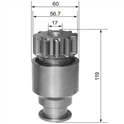
Insulation resistance is a critical parameter in the performance and safety of electrical components, including direct drive starters. As a supplier of direct drive starters, understanding the concept of insulation resistance, its significance, and how it relates to our products is essential. In this blog, we will delve into what insulation resistance is, why it matters for direct drive starters, and how it impacts the overall functionality of these devices.
What is Insulation Resistance?
Insulation resistance refers to the electrical resistance between two conductive parts separated by an insulating material. In the context of a direct drive starter, it is the resistance between the electrical conductors (such as the windings) and the grounded metal parts of the starter housing. This resistance is measured in ohms and is an indication of how well the insulating material is preventing the flow of electric current where it is not intended.
The insulation in a direct drive starter serves two primary purposes. First, it ensures that the electrical current flows through the intended paths, such as the motor windings, to generate the necessary magnetic fields for the starter to function. Second, it protects the user and the surrounding environment from electrical shock by preventing the leakage of current to the starter's outer casing, which is typically in contact with the vehicle's chassis.
Measuring Insulation Resistance
To measure the insulation resistance of a direct drive starter, a specialized instrument called a megohmmeter, or "megger," is commonly used. This device applies a high DC voltage (usually between 500V and 1000V) to the insulation and measures the resulting current flow. The insulation resistance is then calculated using Ohm's Law (R = V/I), where R is the resistance, V is the applied voltage, and I is the measured current.
A high insulation resistance value indicates that the insulation is in good condition and is effectively preventing current leakage. Conversely, a low insulation resistance value suggests that there may be a problem with the insulation, such as moisture ingress, physical damage, or aging, which can lead to electrical shorts and reduced starter performance.
Significance of Insulation Resistance in Direct Drive Starters
Safety
Safety is the most crucial aspect of insulation resistance in direct drive starters. A direct drive starter is an electrical device that operates at relatively high voltages and currents. If the insulation resistance is low, there is a risk of electrical current leaking to the starter's outer casing, which can pose a serious safety hazard to the user. This can result in electric shock, especially if the user comes into contact with the starter while it is operating or during maintenance.
Performance
Insulation resistance also has a significant impact on the performance of a direct drive starter. A low insulation resistance can cause electrical shorts within the starter, which can lead to a reduction in the starter's efficiency and power output. This can result in slow cranking, difficulty starting the engine, or even complete starter failure. Additionally, electrical shorts can generate heat, which can further damage the insulation and other components of the starter, leading to premature wear and tear.
Reliability
Reliability is another important factor affected by insulation resistance. A direct drive starter with high insulation resistance is more likely to operate reliably over an extended period. The insulation helps to protect the electrical components from environmental factors such as moisture, dust, and vibration, which can degrade the insulation over time. By maintaining a high insulation resistance, the starter is less likely to experience electrical failures, reducing the need for frequent repairs and replacements.
Factors Affecting Insulation Resistance in Direct Drive Starters
Moisture
Moisture is one of the most common factors that can reduce the insulation resistance of a direct drive starter. Water is a good conductor of electricity, and when it comes into contact with the insulation, it can create a path for current leakage. Moisture can enter the starter through various means, such as condensation, splashing water, or submersion in water. Once inside the starter, moisture can cause the insulation to swell, crack, or deteriorate, leading to a decrease in insulation resistance.
Temperature
Temperature can also have a significant impact on insulation resistance. High temperatures can cause the insulation material to expand and become more conductive, reducing the insulation resistance. Conversely, low temperatures can make the insulation material brittle and more prone to cracking, which can also lead to a decrease in insulation resistance. Additionally, extreme temperature fluctuations can cause thermal stress on the insulation, which can further damage the insulation over time.
Physical Damage
Physical damage to the insulation can also result in a decrease in insulation resistance. This can occur during installation, maintenance, or normal operation of the starter. For example, if the starter is dropped or subjected to excessive vibration, the insulation may be damaged, creating a path for current leakage. Additionally, sharp objects or rough handling can puncture or cut the insulation, reducing its effectiveness.
Aging
Over time, the insulation material in a direct drive starter will naturally age and deteriorate. This is due to a variety of factors, such as exposure to heat, moisture, and electrical stress. As the insulation ages, it becomes more brittle and less effective at preventing current leakage, leading to a decrease in insulation resistance. Regular maintenance and inspection of the starter can help to detect and address any signs of aging before they become a serious problem.
Our Commitment as a Direct Drive Starter Supplier
As a supplier of direct drive starters, we are committed to providing high-quality products with excellent insulation resistance. We use only the best insulation materials in our starters, which are designed to withstand the harsh operating conditions of automotive applications. Our manufacturing processes are carefully controlled to ensure that the insulation is properly installed and protected from damage during production.
In addition to using high-quality materials and manufacturing processes, we also conduct rigorous testing on all of our direct drive starters to ensure that they meet or exceed industry standards for insulation resistance. Before a starter leaves our factory, it undergoes a series of electrical tests, including insulation resistance testing, to ensure that it is safe, reliable, and performs as expected.


We also offer a range of products that are specifically designed to address the challenges of insulation resistance in direct drive starters. For example, our DB Electrical Starter Drive features advanced insulation technology that provides excellent protection against moisture, heat, and physical damage. Our Drive and Shaft ASM is also designed with high-quality insulation to ensure reliable performance in demanding applications. And our Starter Motor Gear Bendix Drive is built to withstand the rigors of daily use, with insulation that is resistant to wear and tear.
Conclusion
Insulation resistance is a critical parameter in the performance and safety of direct drive starters. A high insulation resistance ensures that the starter operates safely, efficiently, and reliably. As a supplier of direct drive starters, we understand the importance of insulation resistance and are committed to providing our customers with products that meet the highest standards of quality and performance.
If you are in the market for a direct drive starter, we invite you to contact us to discuss your specific requirements. Our team of experts is available to provide you with technical support, product recommendations, and pricing information. We look forward to the opportunity to work with you and help you find the perfect direct drive starter for your application.
References
- Electrical Insulation Handbook. McGraw-Hill Professional.
- Automotive Electrical Systems. Delmar Cengage Learning.
- Insulation Resistance Testing: Principles and Practice. Megger Group Limited.