What is the starting time of Starter Drives?
As a seasoned supplier of Starter Drives, I've witnessed firsthand the critical role these components play in the automotive and industrial sectors. Starter drives are the unsung heroes that kick - start engines, whether in cars, trucks, or heavy - duty machinery. But what exactly determines the starting time of starter drives? Let's delve into this topic to gain a deeper understanding.


The Basics of Starter Drives
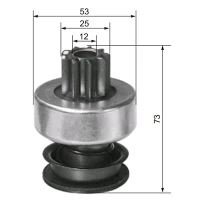
Starter drives are an integral part of the starting system in an engine. Their primary function is to engage the flywheel of the engine and transfer the torque from the starter motor to the engine, enabling it to start. When you turn the ignition key, an electrical signal is sent to the starter solenoid, which then activates the starter drive. The drive gear meshes with the flywheel teeth, and the motor rotates, cranking the engine.
Factors Affecting the Starting Time
1. Battery Condition
The battery is the power source for the starter drive. A weak or discharged battery can significantly increase the starting time. When the battery voltage is low, the starter motor may not receive enough power to turn the engine over quickly. For example, in cold weather, the chemical reactions inside the battery slow down, reducing its output voltage. This can lead to a sluggish start or even a failure to start. A fully charged battery with the correct voltage and capacity is essential for a fast and reliable start.
2. Temperature
Temperature has a profound impact on the starting time of starter drives. In cold temperatures, the engine oil becomes thicker, increasing the resistance to the rotation of the engine components. This means the starter motor has to work harder to turn the engine over. On the other hand, in extremely hot temperatures, the electrical resistance in the starter motor and wiring can increase, reducing the efficiency of the system. Some modern starter drives are designed to perform better in a wide range of temperatures, but temperature remains a crucial factor.
3. Engine Compression
The compression ratio of an engine affects the amount of force required to start it. Engines with high compression ratios, such as diesel engines, require more torque to turn over. A well - maintained engine with proper compression will start more easily than one with low compression due to worn piston rings or valves. If the compression is too low, the starter drive may struggle to crank the engine, leading to a longer starting time.
4. Starter Drive Design and Condition
The design of the starter drive itself plays a role in the starting time. High - quality starter drives with efficient gear systems and powerful motors can start an engine more quickly. Additionally, the condition of the starter drive is crucial. Worn gears, a faulty solenoid, or a damaged motor can all cause delays in starting. Regular maintenance and inspection of the starter drive can help ensure optimal performance.
Measuring the Starting Time
The starting time of a starter drive can be measured in seconds. It typically starts from the moment the ignition key is turned until the engine fires and begins to run on its own. In a well - functioning system, the starting time should be relatively short, usually within a few seconds. However, if there are issues with the battery, engine, or starter drive, the starting time can increase significantly.
The Importance of Quick Starting
A quick - starting engine is not only convenient but also essential for the overall health of the vehicle or machinery. A long starting time can put additional stress on the starter drive and the battery. Repeated attempts to start the engine with a long starting time can lead to overheating of the starter motor, which may cause permanent damage. Moreover, in industrial applications, a slow - starting engine can lead to downtime, resulting in lost productivity.
Our Starter Drives
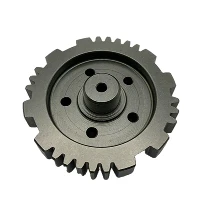
As a supplier of Starter Drives, we understand the importance of providing high - quality products that offer fast and reliable starting. Our Accurate Starter Drives are designed with precision to ensure optimal performance. They are built to withstand a wide range of temperatures and operating conditions, providing consistent starting power.
Our Direct Drive Starter offers a direct transfer of torque from the motor to the flywheel, reducing the starting time even further. This design is ideal for applications where quick starts are crucial, such as in racing cars or emergency vehicles.
In addition, we also offer Car Starter Replacement services. Our team of experts can help you select the right starter drive for your vehicle and ensure a proper installation.
Contact Us for Procurement
If you're in the market for high - quality starter drives, we invite you to reach out to us for procurement. Our experienced sales team can provide you with detailed information about our products, including specifications, pricing, and delivery options. We are committed to providing excellent customer service and ensuring that you get the best starter drives for your needs.
References
- "Automotive Electrical and Electronic Systems" by William H. Crouse and Donald L. Anglin.
- "Diesel Engine Theory and Maintenance" by Robert N. Brady.
- Technical manuals from leading starter drive manufacturers.