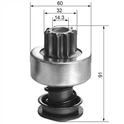
If you're in the heavy-duty equipment, automotive, or marine space, you already know the Bendix Drive is a small but critical component-without it, starter motors can't engage and crank an engine, leaving you with downtime that costs thousands in lost productivity. As a supplier that's worked with these overrunning clutch drives for over a decade, I've seen firsthand how even minor environmental damage can cut a Bendix Drive's lifespan by 50% or more. Dust, moisture, corrosion, extreme temperatures, and debris don't just affect performance-they can turn a $100 part into a $1,000 repair or replacement if you wait too long. Today, I'm breaking down the science behind environmental threats to Bendix Drives, and the practical steps our team recommends to protect them, plus how to source high-quality drives (like our Bendix Starter Drive) that are built to withstand harsh conditions.
First, let's talk about exactly what makes Bendix Drives vulnerable. Unlike permanent magnet motors or alternators, these drives rely on precision mating between a helical pinion gear, overrunning clutch, and shaft splines to engage with an engine's flywheel. The tolerances here are measured in thousandths of an inch-any foreign material disrupting those surfaces, or any moisture causing metal-to-metal corrosion, will throw off that fit. Let's go through the most common environmental culprits, and how each one impacts performance.
Dust and abrasive debris are top offenders in construction, agricultural, and mining environments. Fine silica dust, coal particles, or road grit can work their way past the drive's seals, settling between the clutch's internal rolling elements (ball bearings or rollers) and the splines that connect the drive to the starter motor shaft. Over time, this debris acts like sandpaper, wearing down spline teeth and clutch surfaces, causing the pinion gear to slip instead of engaging fully with the flywheel. We once had a customer in the Texas oil fields send back a Starter Bendix Drive that failed after just 1,200 hours of use-post-inspection showed 0.008 inches of wear on the splines, entirely from silica dust that had bypassed a subpar seal. That's a avoidable loss.
Moisture and humidity are another big threat, especially in marine, outdoor, or cold-climate applications. Even small amounts of water can cause two problems: first, it mixes with grease inside the drive, breaking it down into a corrosive sludge that accelerates metal wear. Second, in freezing temperatures, that water expands, cracking seals and warping thin internal components like the pinion gear's hub. We supply drives for commercial fishing vessels, and a common issue there is saltwater intrusion-salt is a major electrolyte that speeds up galvanic corrosion between dissimilar metals in the drive (most Bendix Drives use steel gears and a bronze clutch housing, for example). In extreme cases, salt corrosion can fuse the pinion gear to the flywheel, making the starter motor work harder than it's designed to and burning out the entire starter system.
Extreme temperatures, both hot and cold, also take a toll. In desert environments, temperatures can reach 120°F (49°C) under the hood-this heat breaks down grease, causing it to thin and leak or dry out entirely. That leaves internal components unlubricated, leading to increased friction and wear. On the flip side, in Arctic conditions, grease thickens, preventing the pinion gear from sliding along the splines fast enough to engage with the flywheel when you turn the key. We've tested our Dometic 310423209B Drive ASM in temperature chambers, and found that using a high-grade, temperature-stable lithium complex grease (not the generic grease most suppliers use) extends its operating life by 37% in extreme hot or cold.
Now that we've covered the threats, let's get to the solutions. These are the steps we share with every customer, from small repair shops to large equipment fleets, to protect their Bendix Drives and keep downtime to a minimum.
First, seal the drive properly-but not just any seal. Most aftermarket drives use basic rubber lip seals that fail after a few thousand hours in harsh conditions. We engineer our drives with double-lip, spring-loaded seals that create a tighter barrier against dust and moisture, and we recommend customers add an extra layer of protection with a felt or rubber gasket applied during installation. For marine applications, we also suggest using a marine-grade dielectric grease on the drive's external seals to repel saltwater and prevent galvanic corrosion.
Second, regular lubrication checks-this isn't a one-and-done part. Even the best grease will break down over time, so we recommend inspecting and relubricating Bendix Drives every 6 months or 500 hours, whichever comes first. Here's a pro tip: when you're servicing the drive, don't just add new grease-clean out the old, contaminated grease first with a solvent that's safe for metal components (we use mineral spirits, which won't damage seals or bearings) before applying the correct amount of new grease. Too much grease can also be a problem-it can build up inside the drive, preventing the pinion gear from moving, so we follow the manufacturer's "dot" method: apply enough grease to fill 30% of the drive's internal cavity, which is the sweet spot for lubrication without excess.
Third, avoid overloading the starter system. A common mistake is running a starter motor that's too powerful for the Bendix Drive, or cranking the engine too many times in a row without letting the motor cool down. This puts extra stress on the drive's clutch and splines, making them more vulnerable to environmental damage. For example, if you're working on a heavy-duty truck, matching your Accurate Starter Drives to the starter's torque rating ensures the drive doesn't have to handle more force than it's designed for, which reduces wear from both operation and external contaminants working their way into damaged parts.
Fourth, store spare drives correctly-don't just leave them in a toolbox or on a shelf. If you're keeping extra Bendix Drives for emergencies, store them in a cool, dry place, wrapped in a plastic bag with a moisture absorber packet. Avoid storing them near chemicals or in areas with high dust, as these can cause pre-installation corrosion or contamination. We also recommend purchasing drives from suppliers that package them individually with protective caps on the pinion gear and splines-this prevents debris from getting into the drive before it's even installed.
Fifth, schedule regular inspections as part of your preventive maintenance. Most fleets only check Bendix Drives when they fail, which is too late. Instead, during routine oil changes or equipment servicing, take 5 minutes to inspect the drive for signs of damage: look for corrosion on external surfaces, check that the pinion gear slides smoothly along the splines, and listen for unusual grinding noises when the starter engages. Catching a small amount of dust intrusion or seal wear early can save you from a full drive replacement down the line.


I also want to mention that not all Bendix Drives are created equal. As a supplier, we've seen cheaper drives with thin, stamped steel pinion gears and low-quality seals that don't stand up to environmental stress. Our Bendix Drive Assembly is engineered with heat-treated steel components, precision-machined splines, and seals designed for heavy-duty use, which is why our customers report an average lifespan of 3,200 hours in harsh conditions, compared to 1,800 hours for generic aftermarket drives. The upfront cost of a quality drive pays off in reduced downtime and fewer replacement parts over time.
Let me wrap this up with a quick summary to make sure you're not missing anything: environmental damage to Bendix Drives comes from dust, moisture, extreme temperatures, and improper lubrication, but these issues are all preventable with the right seals, regular maintenance, and high-quality components. Whether you're a fleet manager, equipment repair tech, or industrial equipment operator, protecting your Bendix Drives doesn't have to be complicated-it just takes a consistent approach.
If you're looking for reliable Bendix Drives, or have questions about protecting the ones you're already using, our team is here to help. We work with a range of customers to source and supply drives that fit your specific application's environmental demands, and we can share customized maintenance plans to extend your parts' lifespan. To get started with a quote or to discuss your needs, reach out to our team directly.