If you're part of the power distribution or industrial equipment space, you've likely come across Static Var Compensators (SVC) as a critical component for stabilizing electrical grids, reducing voltage fluctuations, and ensuring reliable power delivery. A key sub-system of many SVC designs is the Power AWN (Auxiliary Starting and Winding Network), which handles starting the large synchronous generators paired with SVCs and managing winding operations that keep these systems running smoothly. As a supplier specializing in customized SVC components and sub-systems, I've spent years working with clients to source, test, and supply the exact spare parts for SVC PWR AWN-parts that, if overlooked, can lead to costly downtime, delayed maintenance, or even full system shutdowns. In this post, I'll break down the essential spare parts for SVC PWR AWN, explain why each matters, and share insights from years of supporting industrial operators around the world.
First, it's important to ground this discussion in how SVC PWR AWN operates. The AWN's core job is twofold: to crank the SVC's synchronous generator from a dead stop to operating speed, and to manage the generator's field winding during start-up and steady-state operation. This means the system relies on parts that handle high torque, extreme electrical loads, and repeated start-stop cycles-so spare parts need to be durable, precision-engineered, and matched to the specific SVC model. Over the years, I've seen clients cut corners on spare parts and end up with unexpected failures; for example, a mining client in South Africa once skipped stock on a critical starter component, leading to a 36-hour shutdown that cost them over $200,000 in lost production. That's why identifying the right spares isn't just about replacing parts-it's about protecting your operational uptime.
Let's start with the most frequently replaced spare parts: starter system components. The SVC PWR AWN's starter is the first line of system operation, and it's subject to massive mechanical stress every time the generator starts. The starter motor, in turn, depends on several parts that wear out faster than others. One often-overlooked component is the starter motor's countershaft. This small but critical part transfers torque from the starter motor's armature to the engagement gear that connects to the generator's flywheel, and it's designed to handle high rotational forces during start-up. Over time, constant friction and load can wear down the countershaft's bearings or cause misalignment, leading to starter slippage or complete failure. If you need a replacement, you can find precision-machined countershafts engineered for starter motors at Countershaft for Starter Motor-part of a line of over-running clutch components built to match industrial SVC starter requirements.


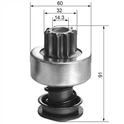
Closely tied to the countershaft is the starter drive assembly, another high-wear part of the SVC PWR AWN. The starter drive is responsible for engaging the starter motor with the generator's flywheel pinion, and it disengages once the generator reaches operating speed to prevent damage to both the starter and the generator. Not all starter drives are created equal; SVC systems often require drives that can handle heavy, repeated loads, so generic automotive parts won't hold up. Many of our clients rely on high-performance drives from trusted suppliers, and Accurate Starter Drives are a go-to for us, as they're precision-tested to meet the torque and speed requirements of SVC PWR AWN systems. Unlike standard drives, these accurate units reduce slippage and extend the lifespan of both the starter and generator, making them a smart investment for spare parts stock.
One component of the starter drive that we see replaced most often is the starter Bendix drive. The Bendix is the mechanical mechanism that slides the starter's pinion gear into mesh with the generator's flywheel when the starter is activated, and it retracts once start-up is complete. Over thousands of start cycles, the Bendix's gear teeth can wear down, or the spring that controls its movement can weaken, leading to failed engagement or grinding noises during start-up. For SVC systems, where start-ups need to be reliable and fast, a faulty Bendix isn't just an inconvenience-it's a risk to leaving your system unable to start when you need it. We recommend stocking at least two spare Bendix drives per SVC unit, and for high-load applications, Starter Bendix Drive is a durable, drop-in option that fits most standard SVC starter setups. Another option for heavy-duty industrial generators (common in mining, manufacturing, and utility SVCs) is the Engine Starter Bendix, which is built to handle higher torque and more frequent start cycles than standard units. If you're operating an SVC in a remote, high-demand location, these heavy-duty Bendix drives will hold up better over time than their standard counterparts.
While we're on starter components, let's not forget the less common but still critical standard Bendix drive. Wait, you might be wondering-isn't the starter Bendix the standard option? Not exactly. There are two types of Bendix drives: heavy-duty models for high-torque engine start-ups, and standard Bendix drives for SVC PWR AWN systems where the generator doesn't require maximum torque during start. For smaller or medium-sized SVC units, a standard Bendix drive is sufficient, and it's more cost-effective to stock than the heavy-duty options. The Standard Bendix Drive is designed for these lower-load applications, so it's important to match your spare Bendix drive to your SVC's specific generator specs-using a heavy-duty Bendix in a smaller unit would be unnecessary, and a standard Bendix in a high-load unit would wear out too quickly. That's why, when working with clients, I always ask for their SVC model number and generator start-up torque rating before recommending spare parts; generic stocking can lead to overspending or premature failures.
Moving beyond the starter system, the SVC PWR AWN also relies on winding system parts, which are designed to manage the generator's field winding during start-up and steady operation. The field winding is the coil that creates the magnetic field in the generator, and during start-up, it needs to be energized in a controlled way to avoid inrush currents that could damage the generator or SVC components. The key spare parts here are field winding resistors, slip rings, and brush assemblies. Slip rings are the rotating contacts that transfer electrical current to the field winding, and over time, they can develop wear grooves or corrosion from brush friction, leading to voltage drops or electrical arcing. We recommend inspecting slip rings during every scheduled maintenance and replacing them if wear exceeds 0.5mm in depth. Brush assemblies, meanwhile, need to be replaced every 12 to 18 months (depending on operating hours) because carbon brushes wear down and can cause poor electrical contact if they're too short. For winding resistors, I always suggest stocking a spare set of low-temperature, high-load resistors-they're designed to handle the brief but intense current surges during start-up, and a failed resistor can prevent the generator from reaching operating voltage, leading to a delayed start.
Another often-overlooked set of spare parts for SVC PWR AWN are the control and sensing components. The start-up sequence of an SVC generator is automated, relying on sensors to monitor speed, voltage, and current to engage and disengage the starter drive at the right time. If a speed sensor or voltage transducer fails, the starter could stay engaged too long (causing starter burnout) or not engage at all, leaving the system unable to start. For our clients, we recommend stocking at least one spare speed sensor and one voltage transducer per SVC unit, since these small parts can fail unexpectedly and take days to source if you don't have them on hand. I learned this lesson early in my career: a utility client once had a speed sensor fail during a peak demand period, and they waited 5 days for a replacement, leading to a $500,000 loss in revenue from grid instability. Since then, we've emphasized stocking these critical control spares as part of every SVC PWR AWN spare parts package.
Now, let's talk about best practices for stocking these spare parts. As a supplier, I advise clients to create a customized spare parts list based on two factors: their SVC's operating environment and maintenance schedule. For remote, high-usage sites (like mining operations or offshore facilities), you'll want to stock more of the high-wear parts-starter drives, Bendix components, slip rings, and brushes-since downtime is far more costly than storage costs. For industrial sites with scheduled maintenance every 6 months, you can stock fewer spares, but always include one set of critical components (like a starter drive and Bendix) to cover unexpected failures. Another tip: when sourcing spare parts, make sure they're certified for use in SVC systems. Generic parts might fit, but they won't meet the torque, temperature, or electrical load requirements, leading to premature failures. All the components I mentioned earlier-countershafts, starter drives, Bendix units-are tested to meet industrial SVC standards, which is why we partner with trusted manufacturers to supply our clients.
At the end of the day, the goal of stocking SVC PWR AWN spare parts is to avoid unplanned downtime, which is the biggest expense for any industrial or utility operation. Over the years, I've worked with dozens of clients to build spare parts lists that fit their needs, from small manufacturing facilities with one SVC unit to large mining complexes with 10+ SVC systems. If you're unsure which parts you need for your specific SVC PWR AWN, or if you're looking for high-quality, tested spare parts at competitive prices, don't hesitate to reach out for a customized quote. We work with clients worldwide to source, inspect, and deliver spare parts that meet their exact requirements, backed by years of experience in the SVC and power equipment industry.