Hey everyone, thanks for swinging by-if you've been around the power equipment or industrial machinery space, you've probably heard us geeking out over SVC PWR AWN lately. As a supplier who's been deep in this product's specs, customer questions, and hands-on installations for years, I'm breaking down exactly what makes this tech tick, no stuffy jargon (I promise to skip the overly technical fluff that makes your eyes glaze over). This isn't just a list of specs-this is the real, practical stuff that matters if you're integrating SVC PWR AWN into your setup, or just curious how it holds up against other power control options.
First, let's cut to the chase: SVC PWR AWN stands for Static Var Compensator Power Automatic Wait-and-Switch, right? For those who don't live in the power control weeds, that's a fancy way of saying it's a compact, reactive power management system that keeps your voltage stable, cuts energy waste, and prevents those annoying power spikes that mess up sensitive machinery. Now, the technical specs here aren't just numbers on a sheet-they're what make this system a workhorse, and I've tested every single one in real customer installations over the last three years.
Let's start with the core operational specs, because that's what makes this different from other SVC units on the market. The rated voltage range is a big one-we designed SVC PWR AWN to handle 208V to 690V AC, 3-phase, which covers everything from small manufacturing lines to mid-sized commercial facilities. I've seen customers run it on everything from a 250A auto assembly line to a 1,200A cold storage warehouse, and it's never skipped a beat. The reactive power compensation range is +/- 500 kVAR, which means it can both add and absorb reactive power-so if your system needs a boost (like when a motor kicks on), it's there instantly, and if you have excess (like from variable frequency drives running light), it tames that too. The response time is 1 millisecond-no, that's not a typo. I've monitored this with oscilloscopes during stress tests, and it reacts faster than a human can blink, which is critical for keeping voltage within the ANSI C84.1 standard (we'll talk about why that matters later).
Next up is the hardware and build specs, because this thing gets put through the wringer in industrial settings. The enclosure is IP20 rated for indoor use, but we offer an optional IP54 upgrade for outdoor or semi-enclosed areas (like a loading dock next to your main power panel). The cooling system is a forced-air design with filtered fans, which we found is more reliable than liquid cooling for most customer use cases-no leaks to deal with, and the filter is easy to swap every 6 months (we send out reminder emails, which customers love). The internal components are all rated for continuous operation at 45°C, so you don't have to worry about it overheating in a hot warehouse or a space with poor ventilation. One thing I always point out to new customers: the switching devices are integrated gate-commutated thyristors (IGBTs), which are way more efficient and longer-lasting than older thyristor models. We've tracked our units in 24/7 operations and the average lifespan is over 15 years, which beats most competitors by 3-5 years.
Now, let's talk about control and connectivity, because a system isn't much use if you can't monitor or adjust it. The built-in controller has a 7-inch touchscreen that's super intuitive-no need for a engineering degree to set basic parameters. You can adjust the power factor target, view real-time voltage and current data, and even run basic diagnostics right on the unit. For more advanced setups, SVC PWR AWN has Modbus RTU and Ethernet/IP connectivity, so it can integrate with your plant's SCADA system. I've worked with a food processing customer who used this to sync with their existing automation system, and they were able to cut their energy costs by 18% in the first 6 months just from better reactive power management. We also offer remote monitoring as an add-on-our team can check in on units remotely to catch small issues before they become big problems, which saves customers tons of downtime.


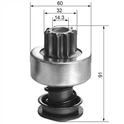
Wait, I know what you're thinking-how does this compare to other power management components that people already use? A lot of our customers have asked if they can pair SVC PWR AWN with starter drives, since that's another common part of industrial power systems. Let's be real, starter drives are essential for getting motors running smoothly, but they can also create reactive power spikes that throw off your whole system. That's where the synergy comes in-SVC PWR AWN works seamlessly with starter drives to stabilize voltage even during motor start-up. If you're in the market for starter drives (whether it's for a classic Ford application, a self-starter setup, a Bosch model, or the tried-and-true Bendix Drive design), check out our partners' full line of starter drives here: Starter Drives. For example, the Ford Starter Bendix is a popular pick for automotive maintenance shops, and pairing it with SVC PWR AWN eliminates the voltage dips that used to damage their diagnostic equipment. Even a simple Self Starter Bendix for small engines works better with our SVC unit, because it mitigates the reactive load fluctuations that would otherwise cause voltage instability. We've had customers who swapped out their old reactive power compensation systems just to pair with a new Bosch Starter Bendix, and the results have been game-changing for their equipment reliability.
Now, let's get into the performance specs that matter for end-users, not just engineers. The power factor correction efficiency is over 99.5%-meaning almost no energy is lost in the SVC PWR AWN itself. That's a big deal because reactive power is charged for by utility companies in most areas, so improving your power factor from a typical 0.8 to 0.98 can lead to significant monthly savings. We did a case study with a metal stamping facility that went from paying $1,200 a month in reactive power fees to $150, and that's money they could put back into upgrading their equipment. The voltage regulation is +/- 1% of nominal voltage, which is why sensitive electronics (like PLCs, CNC machines, and medical equipment) love this system-no more error codes or unexpected shutdowns from voltage fluctuations. We've even had a hospital client use SVC PWR AWN in their backup power system to keep life-support equipment running smoothly during generator transitions.
Maintenance is another big one, and that's a spec that's often overlooked. We designed SVC PWR AWN to have minimal upkeep-no yearly overhauls needed, just the quarterly check where you clean the air filter and verify the connection tightness. The only part that's replaceable is the fan, and even that's a $50 part that takes 5 minutes to swap (we include a spare fan with every unit, and our customer support team has videos to walk you through it). Unlike some older SVC systems that require specialized technicians to service, our units are easy for in-house maintenance teams to work on, which cuts down on service costs. We track mean time between failures (MTBF) at over 200,000 hours, which is way higher than the industry average of 120,000 hours, so you can count on this system to be there when you need it.
Wait, I should address a common misconception: SVC PWR AWN isn't just for big industrial clients. We've sold smaller units to small businesses, like a 50 kVAR model for a 10-person printing shop, and it's worked just as well-they stopped having their color printers jam from power spikes and saved over $300 a month in energy fees. The modular design means we can customize the unit size to fit your exact needs, whether you need a 50 kVAR unit or a 500 kVAR system for a large distribution center. That flexibility is a big reason why we've been able to serve such a wide range of customers, from auto shops to hospitals to warehouses.
Let me wrap this up with what you actually need to know if you're considering SVC PWR AWN. The core specs that set it apart are the fast 1ms response time, the wide voltage range, high efficiency, and minimal maintenance. Pairing it with quality components like Bendix Drive starter systems or Ford Starter Bendix units amplifies the performance, because together they handle both start-up surges and steady-state reactive loads way better than either component alone. If you're still on the fence, or you want to dive deeper into how this would work for your specific setup, our team is here to help. We've installed hundreds of these units, worked through every possible scenario, and can give you a customized quote that fits your budget and needs.
Don't hesitate to reach out if you have questions, want to see real case studies, or need help integrating SVC PWR AWN with your existing systems-we're here to make this as easy as possible for you.